1 min read · Updated
Your baby this week
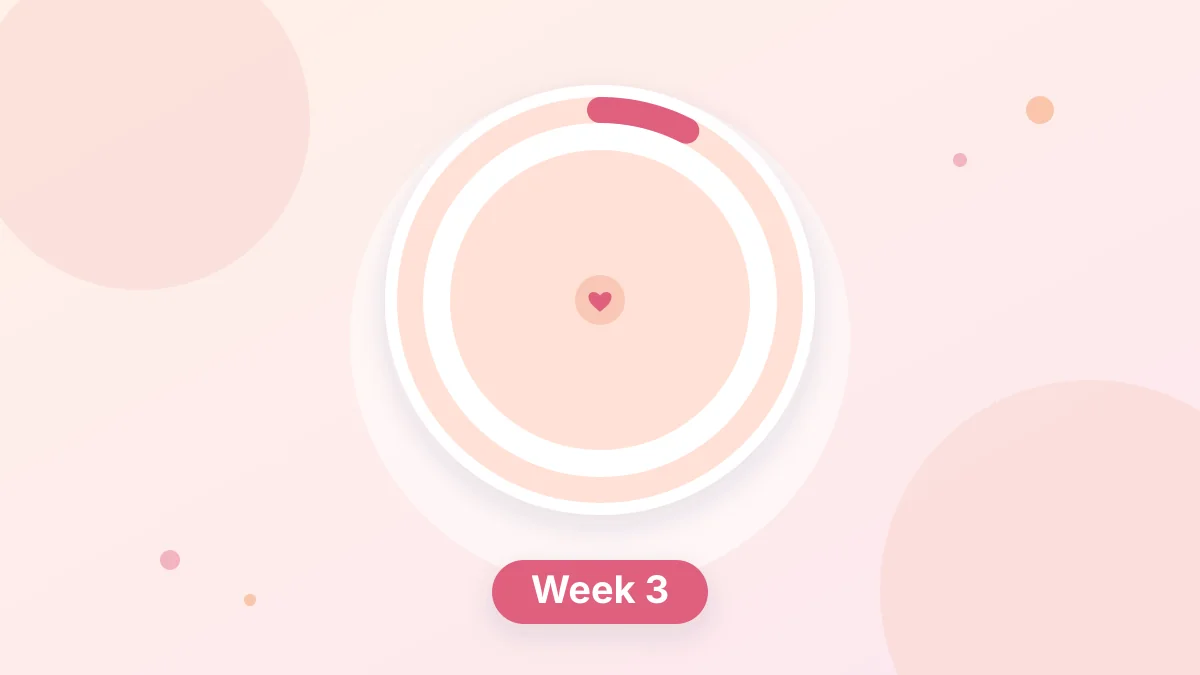
Ovulation and fertilisation happened around the end of week 2. This week the fertilised egg divides into a ball of cells as it travels along the fallopian tube to the womb. By the end of the week it becomes a hollow ball called a blastocyst, which starts to settle into the womb lining. Implantation usually happens 6 to 12 days after ovulation.
What you might feel
- Usually no symptoms at all
- Possibly light spotting or mild cramps around implantation
- Sore breasts or tiredness, though these can also be signs of an approaching period
What to do this week
- Take folic acid and vitamin D
- Avoid alcohol and smoking
- Wait until the first day of a missed period to take a pregnancy test, because earlier tests can miss it
- Eat well and rest
- Be kind to yourself during the two-week wait, which can be stressful
Your checks and appointments
There are no checks yet. The pregnancy hormone hCG only starts to rise after implantation, so a test now is likely to be negative even if you have conceived.
When to get help
Call your midwife, doctor or maternity unit if you have bleeding, severe or persistent pain, fluid leaking, a severe headache or vision changes, sudden swelling, severe itching, or reduced or changed baby movements. If you are very worried, trust your instincts and get checked. In an emergency, call your local emergency number.
Frequently asked questions
Can I take a pregnancy test now?
It is too early for most tests. Wait until your period is due.
Is spotting at this stage normal?
Light, brief spotting can be implantation bleeding, but tell a doctor about heavy bleeding or pain.
Can I feel implantation?
Most people do not. Some notice mild twinges.
Sources: NHS guidance on pregnancy week by week, and NICE guideline NG201 on antenatal care.
This article is for general information, not medical advice. If you're worried about your health, talk to a doctor or other clinician.