1 min read · Updated
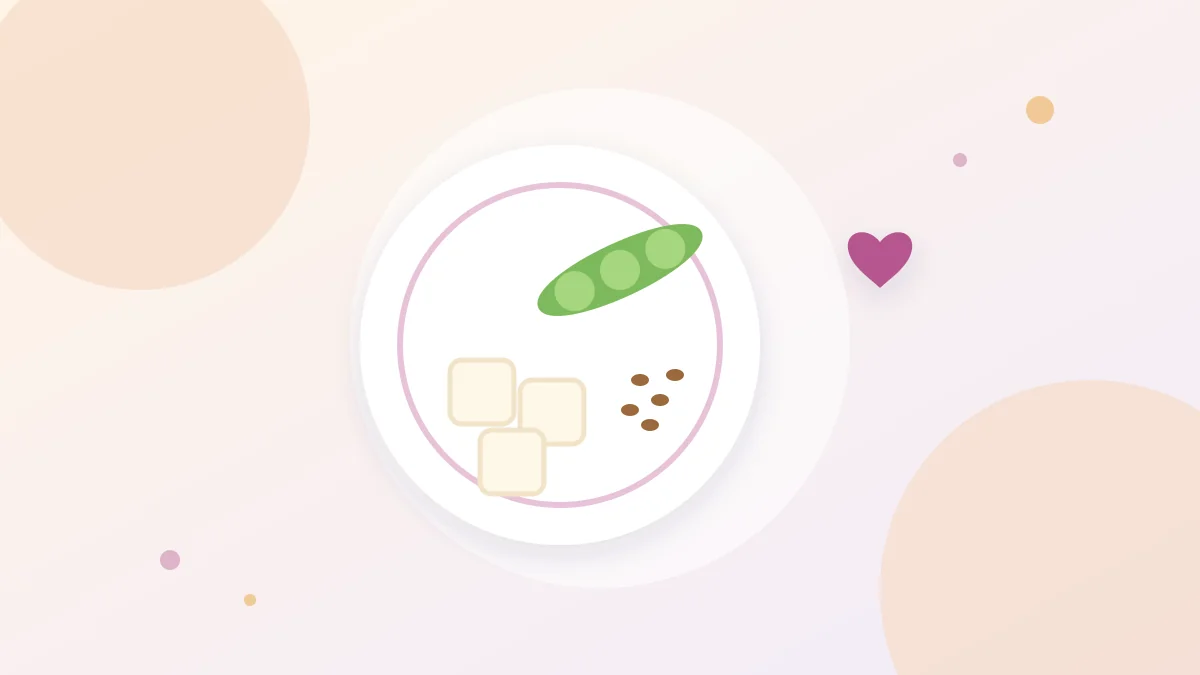
Phytoestrogens are plant compounds that act weakly like estrogen in the body. They are found in soy, flaxseed, chickpeas, lentils, and some whole grains and seeds.
Do they help with symptoms?
Research is mixed. Some studies show a small reduction in hot flashes for some people who eat soy regularly, while others show no clear benefit. The effect is much smaller than hormone therapy.
Foods to include
- Soy products such as tofu, tempeh, edamame and soy milk
- Ground flaxseed and other seeds
- Chickpeas, lentils and other legumes
- Whole grains, oats and barley
- Fruits and vegetables
These are healthy foods anyway, supporting heart and bone health, which matter more after menopause.
Be cautious with supplements
Concentrated isoflavone or herbal supplements, such as black cohosh or red clover, have limited evidence and can interact with medicines. Talk to a doctor before using them, especially if you have had breast cancer or are on hormonal treatment.
Bones and heart
After menopause, aim for enough calcium and vitamin D, protein and regular weight-bearing exercise.
Bottom line
Eating more plant foods is a good idea, but do not expect it to replace medical treatment if symptoms are severe.
Frequently asked questions
Does soy cause cancer?
Evidence does not show soy foods raise breast cancer risk, but ask your doctor if you have had it.
Do supplements work better?
Not reliably, and some interact with medicines.
This article is for general information, not medical advice. If you're worried about your health, talk to a doctor or other clinician.