2 min read · Updated
Fertility awareness methods (FAM), sometimes called natural family planning, involve tracking your body's signs to work out when you are fertile. They can be used to help you get pregnant or to avoid pregnancy, but they need time, commitment and good teaching to work well.
How they work
An egg lives for about 12 to 24 hours after ovulation, and sperm can survive for up to 5 days. So there are about 6 fertile days each cycle. Fertility awareness methods look for signs of when that window opens and closes.
What is tracked
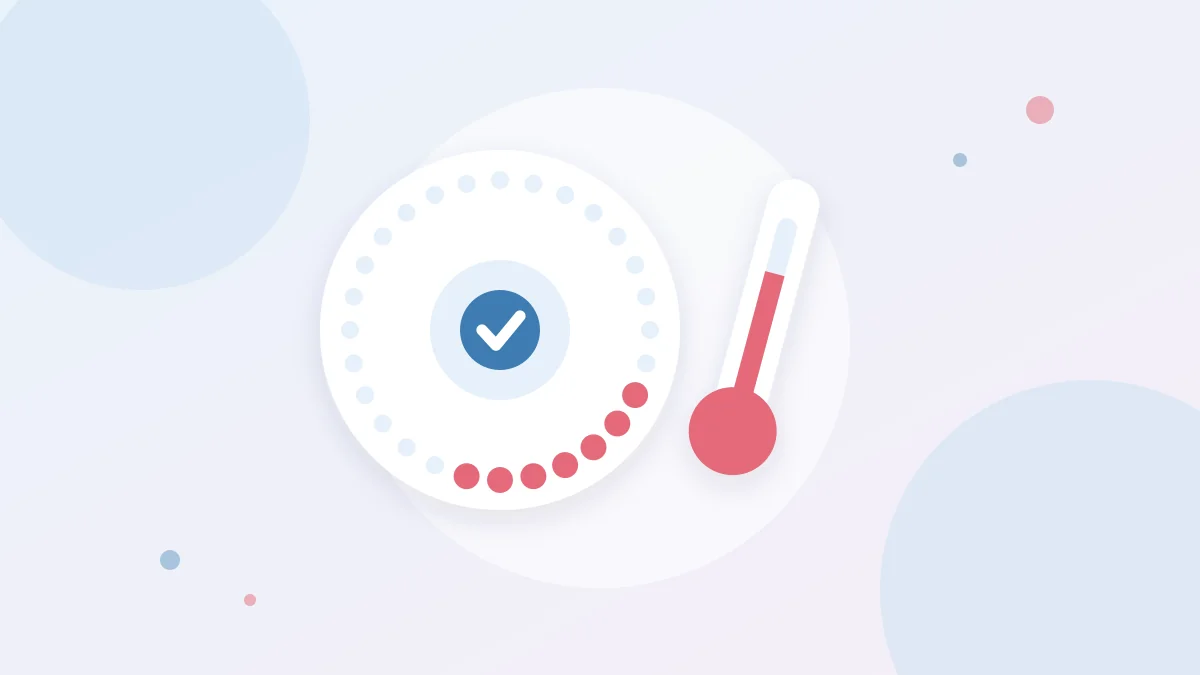
- Basal body temperature: your resting temperature rises slightly, by about 0.2 to 0.5 degrees Celsius, after ovulation. Taken every morning before getting up, it shows when ovulation has happened, but not before
- Cervical mucus: it changes from dry or sticky to clear, wet and stretchy like egg white around ovulation
- Cycle length: the calendar method estimates fertile days from past cycles
- Other signs: cervix position, ovulation test strips and hormone monitors
The most reliable methods combine signs, such as the symptothermal method, which combines temperature and mucus, and are taught by trained instructors.
How effective are they?
Effectiveness depends heavily on how well the method is learned and followed:
- With perfect use of the symptothermal method, fewer than 1 to 5 in 100 people get pregnant in a year
- With typical use, many more do, around 24 in 100 across fertility awareness methods overall
- Methods that use only the calendar, or that are used without consistent abstinence or condoms during the fertile window, are less reliable
Apps that predict fertility from cycle data alone are not reliable as contraception unless they are validated, and not all are.
Who it may suit
- People who prefer non-hormonal methods
- Those with regular cycles who are willing to track daily
- Those who can abstain from sex or use condoms on fertile days
It may not be right if you have irregular cycles, have recently given birth, are breastfeeding, are in perimenopause, or have conditions that affect ovulation. It also does not protect against sexually transmitted infections.
Getting started
Find a trained instructor or use a validated app, track for at least three cycles before relying on it and be consistent. Use condoms or avoid sex on fertile days. For emergencies, you can use emergency contraception.
Using FAM to get pregnant
Tracking signs can help you time sex in the fertile window and improve the chance of conception. See our articles on ovulation tests and cervical mucus.
Frequently asked questions
Is the pull-out method the same?
No. Withdrawal is a different and less effective method.
Can stress change my signs?
Yes. Illness, stress, travel and poor sleep can shift ovulation and temperature.
Is it safe to rely on a period app?
Only if it is a validated fertility app, and you follow its instructions closely.
Sources: NHS guidance on natural family planning, and the Faculty of Sexual and Reproductive Healthcare guidance on fertility awareness methods.
This article is for general information, not medical advice. If you're worried about your health, talk to a doctor or other clinician.