1 min read · Updated
What are fibroids?
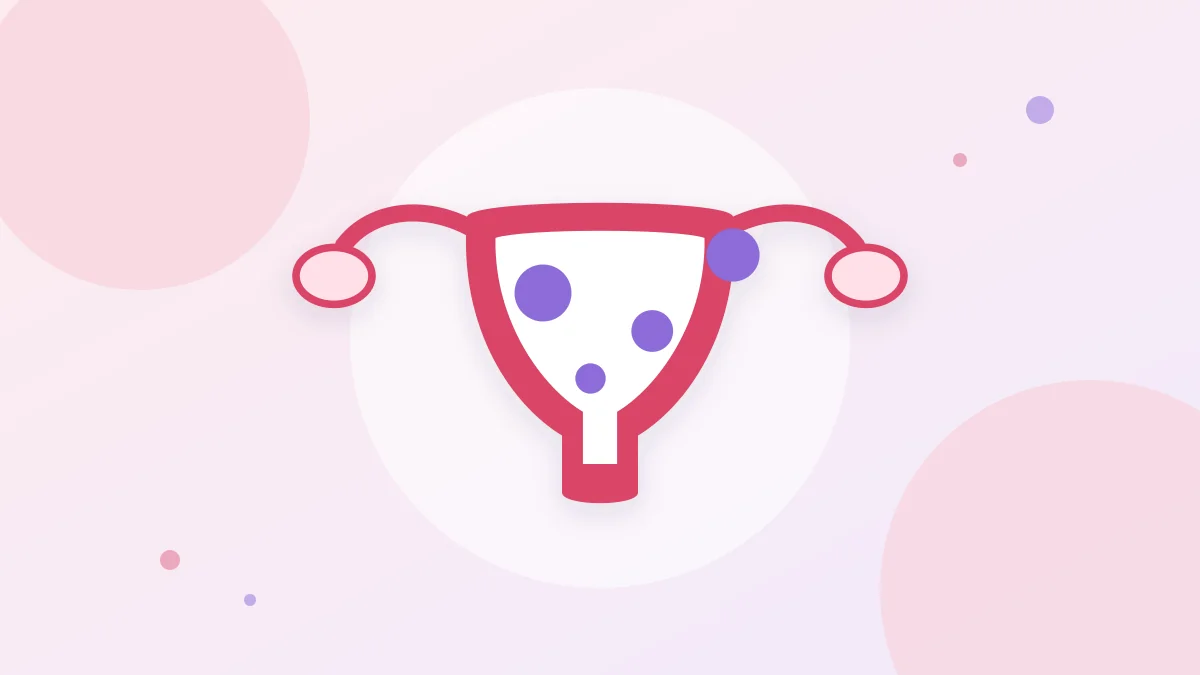
Fibroids are non-cancerous growths in or on the wall of the uterus. They are very common, and by age 50 somewhere between 2 and 8 in 10 people have them, depending on how they are counted (NIH), although many never know.
Possible symptoms
- Heavy or prolonged periods, with clots
- Pelvic pressure or a feeling of fullness
- Frequent urination or trouble emptying the bladder
- Constipation or backache
- Pain during sex
- A larger lower belly
- Anaemia from blood loss
- Sometimes, difficulty conceiving or pregnancy complications
Who is at higher risk?
Fibroids are more common in people in their 30s to 50s, with a family history, of African descent, or who are overweight. Estrogen helps them grow, so they often shrink after menopause.
Diagnosis
A pelvic exam, ultrasound or MRI.
Treatment
- Watchful waiting if symptoms are mild
- Medicines to reduce bleeding, such as tranexamic acid, hormonal IUD or pills
- Hormonal treatments that shrink fibroids temporarily
- Procedures: uterine artery embolisation, or MRI-guided ultrasound
- Surgery: myomectomy to remove fibroids while keeping the uterus, or hysterectomy
Frequently asked questions
Do fibroids turn into cancer?
It is very rare.
Do they affect pregnancy?
Some can, depending on size and location, so tell your doctor.
Log flow and pain in Masik to share with your clinician.
This article is for general information, not medical advice. If you're worried about your health, talk to a doctor or other clinician.