2 min read · Updated
This article explains how HRT is given, not whether you should take it. For benefits and risks, see our article on menopausal hormone therapy.
What is in HRT
HRT replaces the oestrogen your body no longer makes. If you still have your womb, you also need a progestogen to protect the lining from thickening, which oestrogen alone can cause. People who have had a hysterectomy can take oestrogen alone.
Ways to take oestrogen
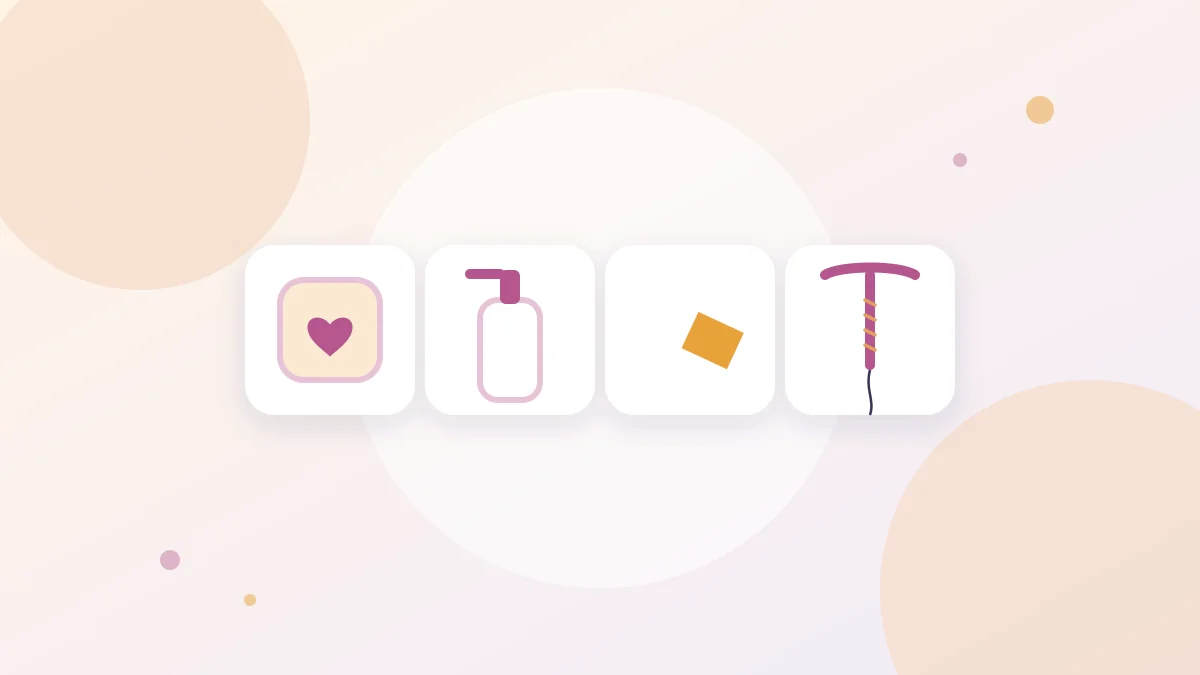
- Skin patches: changed once or twice a week
- Gels and sprays: applied daily to the skin
- Tablets: taken by mouth
- Implants: pellets placed under the skin, used less often
Patches, gels and sprays (transdermal) are often preferred because they do not seem to increase the risk of blood clots, and they bypass the liver. Tablets do carry a small additional clot risk.
Ways to take progestogen
- Tablets, either with oestrogen in combined products, or separately
- Micronised progesterone capsules, which many people prefer
- A hormonal coil (levonorgestrel IUS): can provide the progestogen part of HRT for several years, and may also give contraception and lighter periods
Types of regimen
- Sequential (cyclical) HRT: oestrogen daily, with progestogen for part of each month, which causes a monthly or three-monthly bleed. Often used in perimenopause or when periods have not stopped for a year
- Continuous combined HRT: oestrogen and progestogen together every day, with no planned bleed. It is usually used when you are postmenopausal, or after switching from sequential HRT
"Body-identical" and "bioidentical"
Body-identical HRT uses hormones with the same structure as those in the body, such as estradiol and micronised progesterone, and is licensed and regulated. "Bioidentical" compounded hormones, sold by some private clinics, are not regulated or tested in the same way, and are not recommended.
Starting and reviewing
- Start at a low dose, and adjust if needed. It may take a few months to settle
- Irregular bleeding is common in the first 3 to 6 months. Tell your doctor if it continues, or if it starts after being stopped
- Review after about 3 months, then every year, to check benefits, side effects and whether to continue
- You can stop HRT at any time. Symptoms may return, and some people taper slowly
Common side effects
Breast tenderness, bloating, headaches, nausea, mood changes and spotting. They often settle, and changing the type or dose usually helps.
Not a contraceptive
HRT does not prevent pregnancy, with the exception of the hormonal coil. See our article on contraception in midlife.
Frequently asked questions
Which type is best?
It depends on your symptoms, health and preferences. A doctor can help you choose.
How long can I take HRT?
There is no set limit. Many people take it for several years and review regularly.
Does HRT cause breast cancer?
Combined HRT is linked to a small increase in risk, while oestrogen alone is linked to little or none. Discuss your own risks with your doctor.
Sources: NHS guidance on HRT, NICE guideline NG23, and the British Menopause Society.
This article is for general information, not medical advice. If you're worried about your health, talk to a doctor or other clinician.