1 min read · Updated
The basics
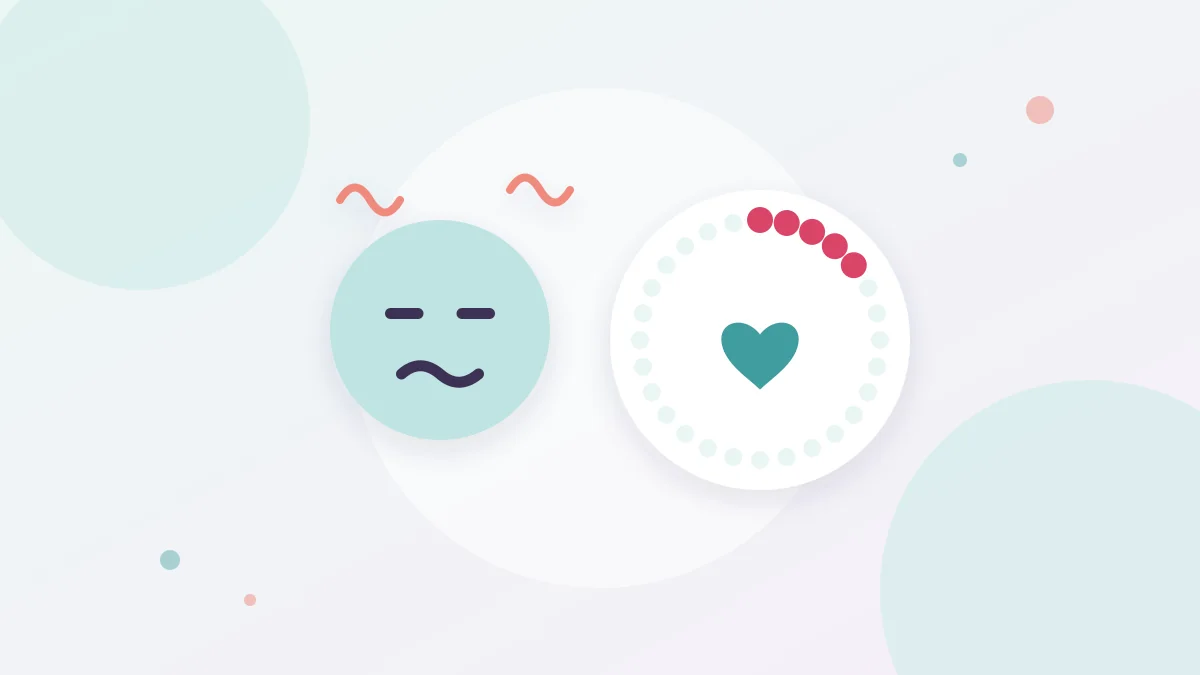
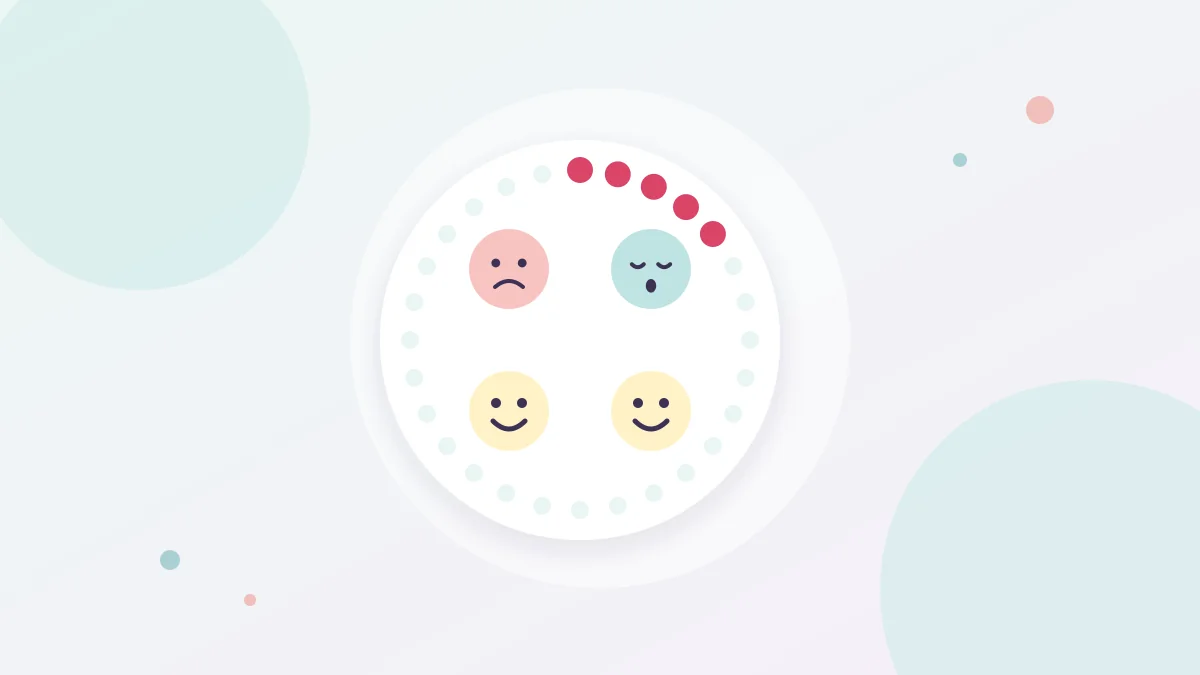
Mood shifts across the menstrual cycle are common and have a real hormonal basis, not "just in your head." Estrogen and progesterone both influence neurotransmitters like serotonin, and their fluctuation — particularly the drop right before a period — is linked to mood changes for many people.
PMS (premenstrual syndrome)
affects the majority of people who menstruate to some degree — mild irritability, anxiety, or low mood in the days before a period, resolving once bleeding starts.
PMDD (premenstrual dysphoric disorder)
is a more severe, less common form — significant mood disruption (intense irritability, anxiety, or depression) that meaningfully interferes with daily life, work, or relationships in the luteal phase. It's a recognized clinical diagnosis, not just "bad PMS," and it's treatable.
What can help with cycle-linked mood changes:
- Regular exercise, which has real evidence for easing PMS symptoms
- Consistent sleep, since sleep deprivation tends to amplify mood symptoms
- Reducing caffeine and alcohol in the days leading up to your period
- For PMDD specifically, both certain antidepressants and hormonal treatments have good evidence behind them
If mood symptoms are consistently severe enough to disrupt your life for a meaningful part of each cycle, that's a pattern worth bringing to a doctor by name — tracking exactly when in your cycle the symptoms occur makes that conversation much more concrete.
Frequently asked questions
Why do I feel low before my period?
Falling estrogen and progesterone affect brain chemicals such as serotonin, which can lower mood in the late luteal phase.
When is mood usually best?
Many people feel more energetic and positive in the follicular phase and around ovulation, as estrogen rises.
This article is for general information, not medical advice. If you're worried about your health, talk to a doctor or other clinician.