1 min read · Updated
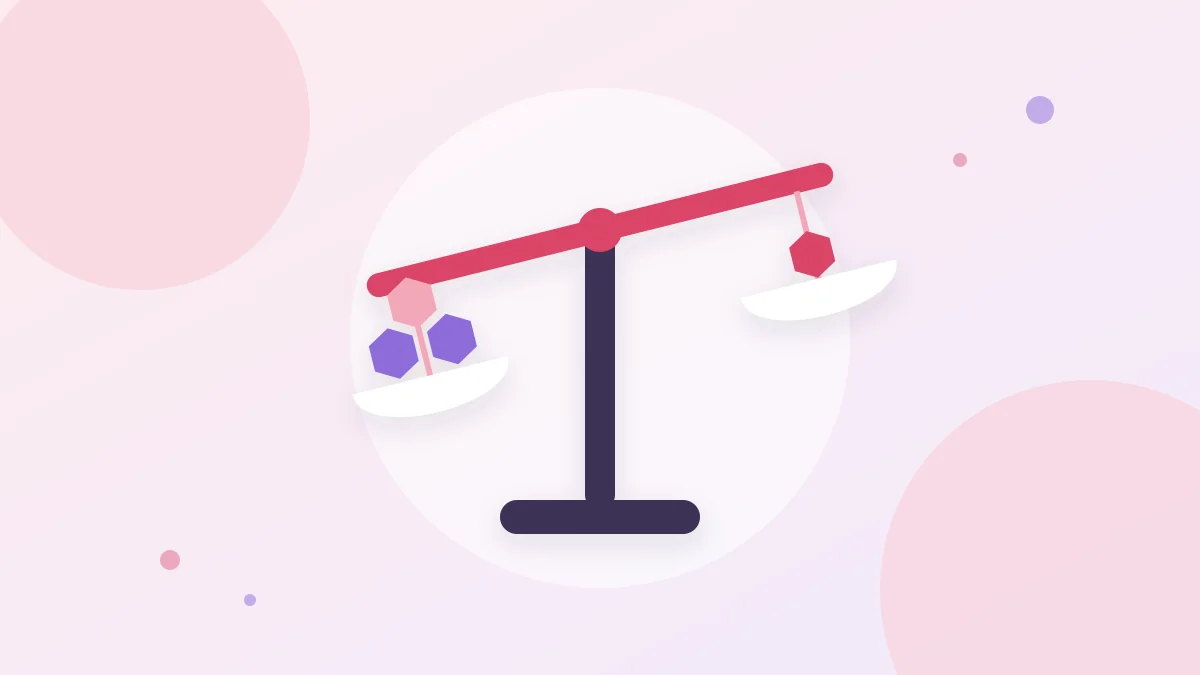
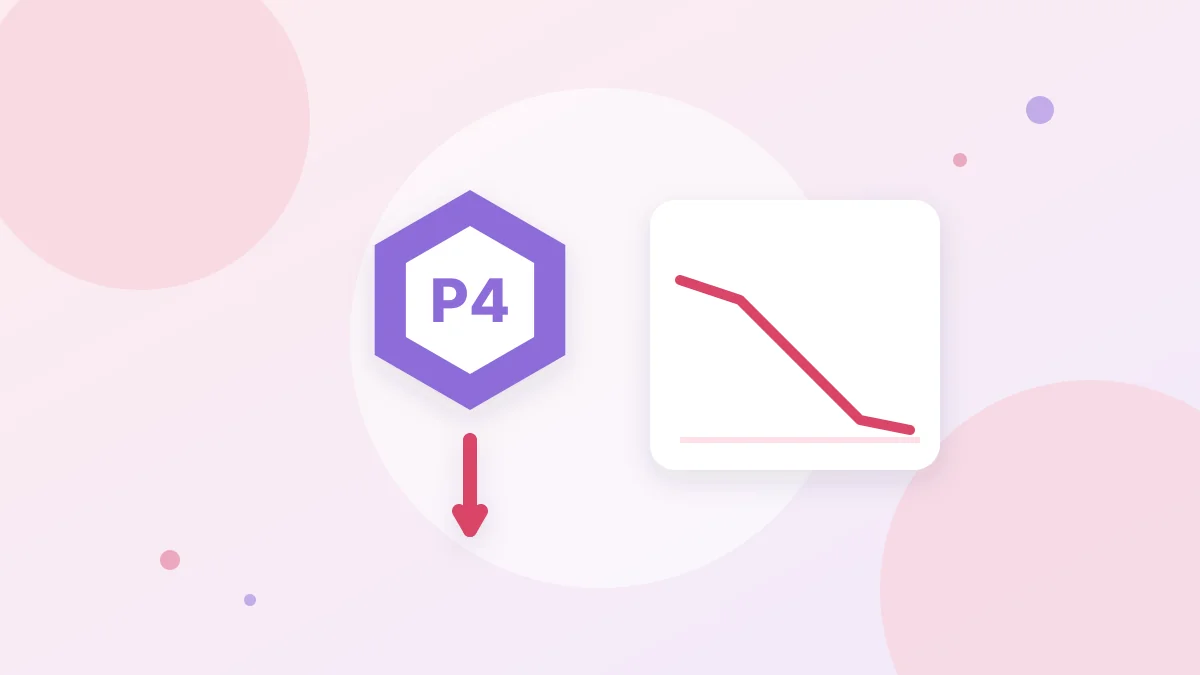
Progesterone is the hormone made after ovulation that prepares the uterus for a possible pregnancy. Levels can be low if ovulation does not happen or is weak.
Possible signs
- Irregular or missing periods
- Spotting before your period
- A short luteal phase, under about 10 days
- Heavy or prolonged bleeding
- Trouble getting pregnant, or early miscarriage
- Anxiety, low mood or poor sleep before your period
- Headaches or breast tenderness
Common causes
Not ovulating (anovulation), PCOS, thyroid problems, high stress, very low body weight or intense exercise, breastfeeding, and perimenopause.
How it is checked
A blood test about a week after ovulation, or around day 21 in a 28-day cycle, shows whether progesterone rose. Timing matters, and one test may not tell the whole story. A doctor may also check thyroid, prolactin and other hormones.
Treatment
depends on the cause. It may include treating the underlying condition, lifestyle changes, or hormonal treatment. Do not use progesterone products without medical advice.
Tracking
Basal body temperature in Masik helps show whether ovulation happened, since temperature rises after ovulation because of progesterone.
If you have symptoms, particularly when trying to conceive, a clinician can help find the cause.
Frequently asked questions
How is low progesterone diagnosed?
With a blood test about a week after ovulation.
Can I increase progesterone naturally?
Treating the cause, such as stress or weight changes, helps, but do not use products without medical advice.
This article is for general information, not medical advice. If you're worried about your health, talk to a doctor or other clinician.