3 min read · Updated
Pelvic girdle pain (PGP), sometimes called symphysis pubis dysfunction (SPD), is pain in and around the joints of the pelvis during pregnancy. It is very common, it can be uncomfortable or limit what you can do, and it does not harm your baby. Getting help early makes it easier to manage.
What causes it?
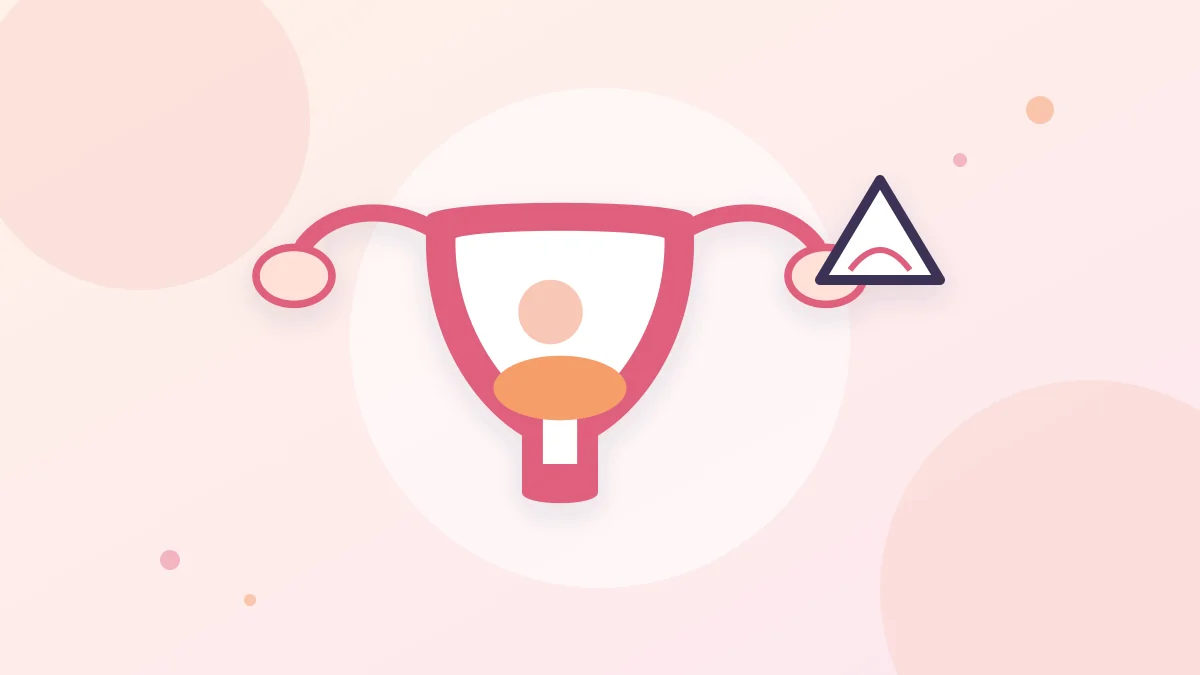
Pregnancy hormones soften the ligaments of the pelvis to prepare for birth. If the pelvic joints become stiff or move unevenly, they can become painful. The extra weight of your baby and changes in posture add strain.
What it feels like
- Pain over the pubic bone at the front of the pelvis
- Pain across one or both sides of the lower back, or deep in the buttocks
- Pain that spreads to the thighs or groin
- Clicking, grinding or a feeling of the pelvis giving way
- Pain that is worse when walking, climbing stairs, standing on one leg, turning over in bed, or moving your legs apart, such as getting out of a car
For most people symptoms are mild, but for some they are severe. Maternity services note that it will not harm your baby.
When to get help
Speak to your midwife or GP early, without waiting for the pain to be severe. Contact them if it hurts to walk, climb stairs, turn over in bed or get out of a car, or if pain is not easing with rest. The earlier it is assessed, the better it can be managed.
Seek urgent medical advice if pelvic pain comes with bleeding, a fever, burning when you pee, or regular tightenings, since these can have other causes.
Treatment
- Physiotherapy. You may be referred to a physiotherapist who specialises in pregnancy-related pelvic pain. Treatment can include exercises for the pelvic floor, tummy, back and hip muscles, and advice on how to move.
- Support belts and aids. A pelvic support belt may help some people, and crutches can help if pain is severe.
- Exercise in water, such as swimming or aquanatal classes, takes the strain off your joints.
- Pain relief. Paracetamol is considered safe in pregnancy and may help if taken regularly, with heat or ice on the sore area. Check doses with a pharmacist, GP or midwife.
Self-help tips
- Keep your knees together when turning in bed, and use a pillow between your legs when you sleep
- Sit down to get dressed, and avoid standing on one leg
- Take stairs one at a time, leading with your stronger leg
- Take smaller steps, and avoid long walks or standing for long periods
- Avoid carrying heavy loads, and spread the weight when you do
- Get in and out of the car with your knees together, perhaps using a plastic bag on the seat to help you swivel
- Rest regularly, and do not push through pain
Sex and other activities
PGP can make sex uncomfortable. Try positions that keep your hips together and avoid wide leg movements, and talk to your midwife or physiotherapist if it affects you.
Giving birth with PGP
Tell your midwife about your pain, and tell them how far you can comfortably open your legs, so you can plan positions for labour. Having PGP does not usually stop a vaginal birth.
After the birth
In the great majority of people pelvic girdle pain settles within weeks to months after birth. A small number have symptoms that last longer, and more physiotherapy can help.
Frequently asked questions
Is pelvic girdle pain the same as back pain?
It is related, but back pain mainly affects the lower spine, while PGP affects the pelvic joints, particularly at the front and sides.
Will it go away?
Usually, after the baby is born. The symptoms often ease with treatment during pregnancy.
Does it mean I need a caesarean?
Not necessarily. Most people with PGP can have a vaginal birth.
Can exercise make it worse?
Gentle, guided exercise helps, but activities that cause sharp pain should be avoided.
Sources: NHS guidance on pelvic pain in pregnancy; NHS maternity trust physiotherapy leaflets on pregnancy-related pelvic girdle pain.
This article is for general information, not medical advice. If you're worried about your health, talk to a doctor or other clinician.