2 min read · Updated
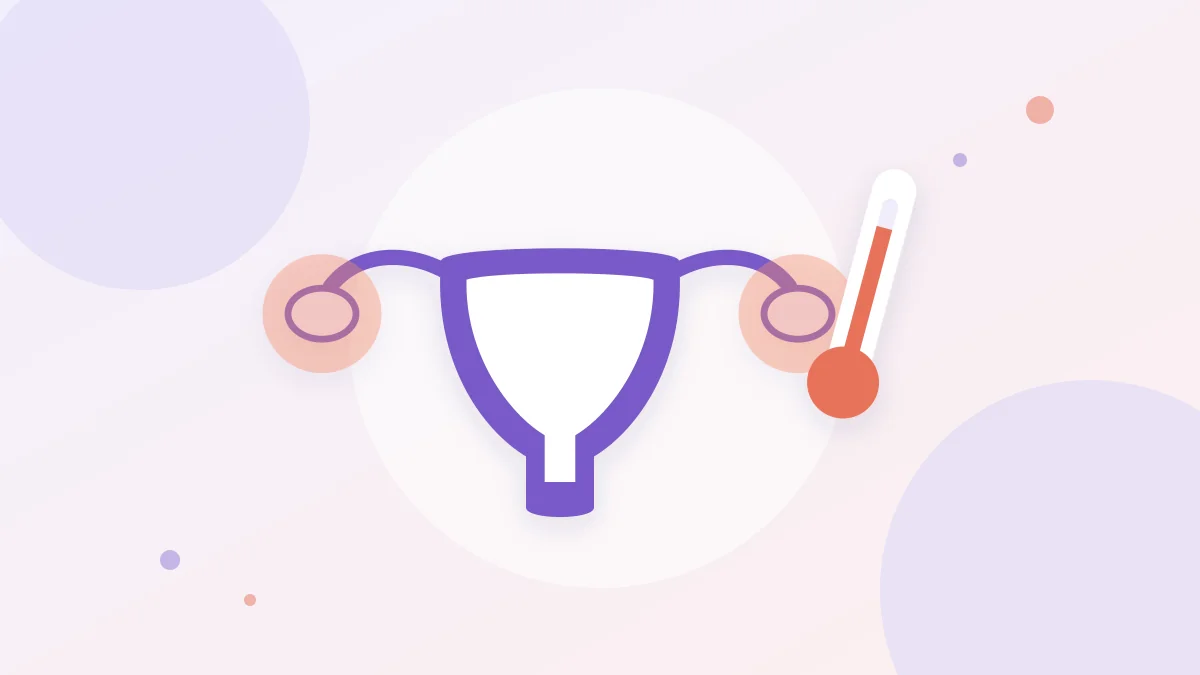
Pelvic inflammatory disease (PID) is an infection of the upper female reproductive tract, including the womb, fallopian tubes and ovaries. It is most often caused by bacteria spreading from the vagina or cervix, and early treatment prevents lasting harm.
Causes
Many cases follow a sexually transmitted infection, especially chlamydia or gonorrhoea, which often have no symptoms. Others are caused by bacteria that are normally in the vagina, particularly after childbirth, miscarriage, abortion, or insertion of an IUD, though the risk with an IUD is small and mostly in the first few weeks.
Symptoms
Symptoms can be mild or absent. Possible signs include:
- Lower abdominal or pelvic pain
- Pain during sex
- Unusual or heavy vaginal discharge, sometimes with a bad smell
- Bleeding between periods or after sex
- Painful periods
- Pain when passing urine
- Fever and feeling unwell
When to get help
See a doctor or sexual health clinic if you have any of these symptoms. Go to hospital urgently if you have severe pain, a high temperature, vomiting or feel faint.
Diagnosis
A doctor will examine you and take swabs, and may order a urine test or an ultrasound. There is no single test, so diagnosis is often based on symptoms and examination, and treatment is started early.
Treatment
PID is treated with antibiotics, usually for about two weeks, sometimes with an injection first. You should finish the course even if you feel better. Partners should be tested and treated, and you should avoid sex until you and your partner have finished treatment. Severe cases may need hospital treatment.
Why prompt treatment matters
Untreated PID can cause scarring in the fallopian tubes, leading to long-term pelvic pain, ectopic pregnancy and difficulty getting pregnant. The earlier it is treated, the lower the risk.
Reducing your risk
- Use condoms with new or casual partners.
- Get tested regularly for STIs, especially if you have a new partner.
- Treat STIs promptly, and ask partners to be treated too.
- Go back to your doctor if symptoms persist after treatment.
Frequently asked questions
Can PID go away on its own?
No. It needs antibiotics.
Will I be able to get pregnant after PID?
Most people can, but the risk of difficulty rises with repeated or untreated infection.
Can I use an IUD if I have had PID?
Speak to your doctor, who will advise based on your situation.
Sources: NHS guidance on pelvic inflammatory disease, and British Association for Sexual Health and HIV guidance on PID.
This article is for general information, not medical advice. If you're worried about your health, talk to a doctor or other clinician.