1 min read · Updated
The short answer
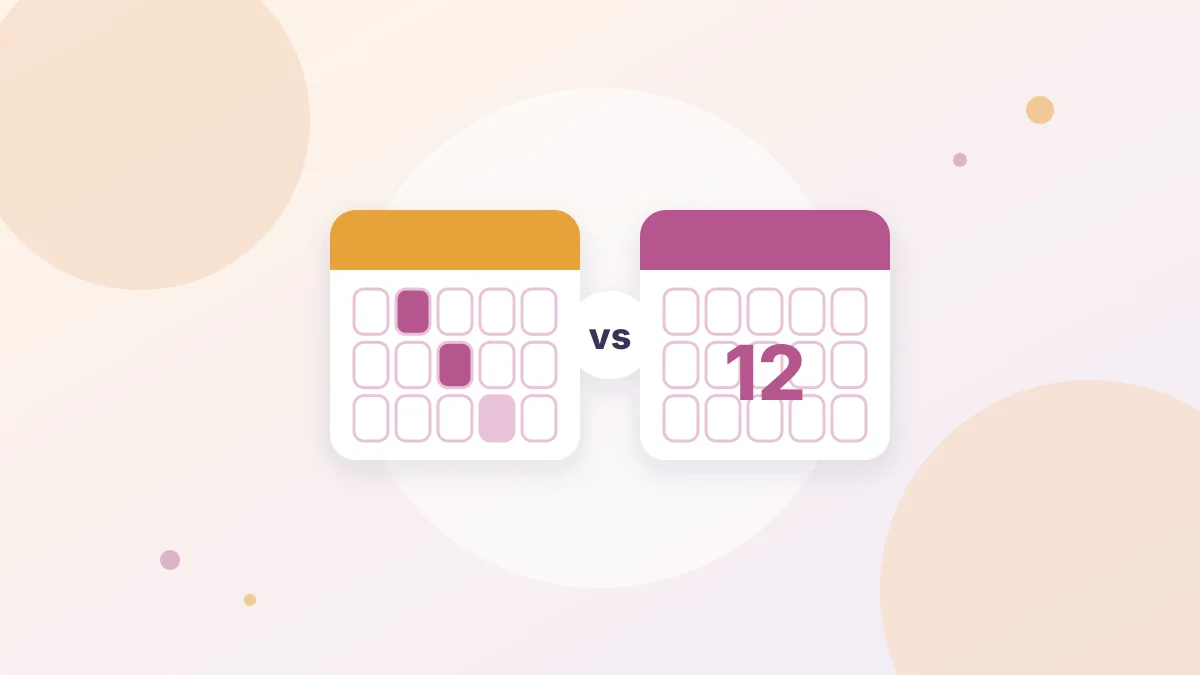
Perimenopause is the transition that comes before menopause. Menopause is a single point in time, confirmed after you have gone 12 months in a row without a period. Everything after that is called postmenopause.
Perimenopause
- Hormone levels, especially estrogen, rise and fall unpredictably
- Periods continue but become irregular
- Symptoms such as hot flashes, mood changes and sleep problems can begin
- Pregnancy is still possible
Menopause
- The ovaries have stopped releasing eggs, and estrogen is low
- You have had no period for 12 months, with no other cause
- The average age is about 51, with most between 45 and 55
Postmenopause
- The years after menopause
- Many symptoms ease, though vaginal dryness and bone loss can continue
- Heart and bone health become more important
How do you know where you are?
There is no single test. Doctors use your age, symptoms and period history. Because hormone levels fluctuate, tests are rarely needed unless you are under 45.
Early and premature menopause
- Early menopause: before 45
- Premature ovarian insufficiency: before 40
Speak to a doctor if this applies to you.
Frequently asked questions
Does bleeding after menopause matter?
Yes. Any bleeding after 12 months without a period should be checked.
Do I still need contraception in perimenopause?
Yes, until a doctor confirms you no longer need it.
Masik's perimenopause mode helps you track symptoms and period gaps.
This article is for general information, not medical advice. If you're worried about your health, talk to a doctor or other clinician.