2 min read · Updated
Period pain is very common among teenagers, with most people having cramps at some point. For some it is mild, and for others it is severe enough to miss school or activities. Both experiences are real, and there is help.
What causes cramps?
Before and during a period, the womb lining makes chemicals called prostaglandins that make the womb muscle contract to shed the lining. High levels cause stronger cramps, which can also bring back pain, nausea, headaches or loose stools.
This is called primary dysmenorrhoea. It usually starts in the first year or two after periods begin, and often improves with age or after childbirth.
What helps
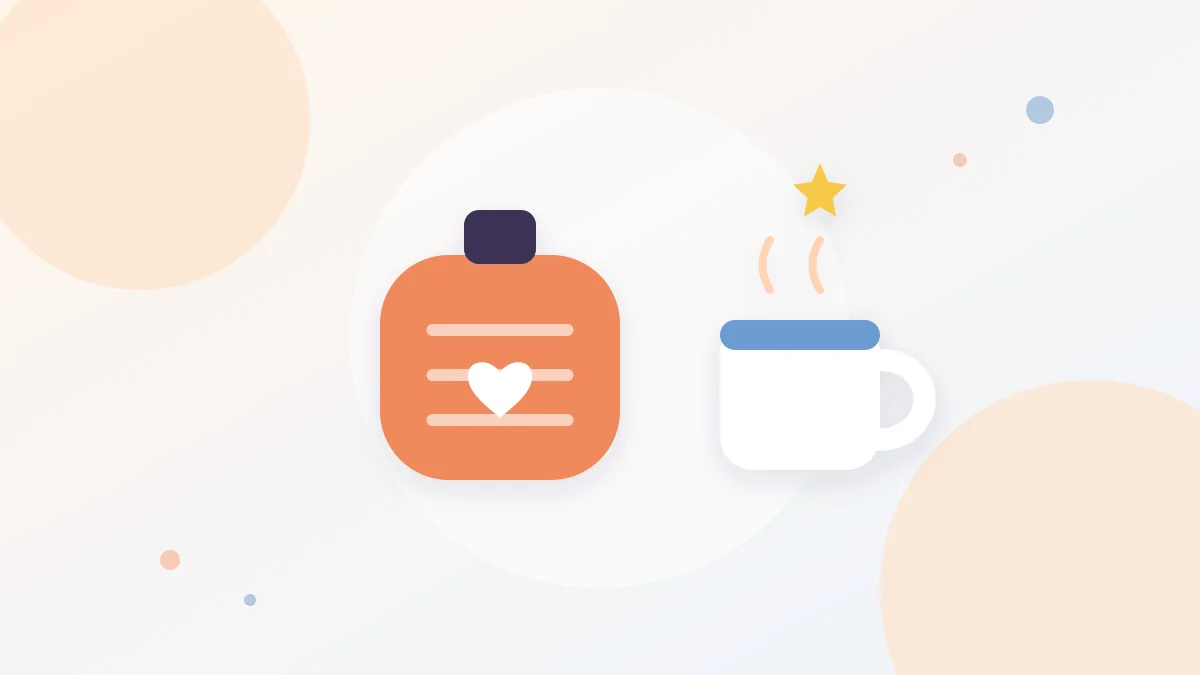
- Heat: a hot water bottle or heat pad on your tummy or back
- Painkillers: ibuprofen or naproxen, taken at the first sign of pain, with food, are often most effective, and paracetamol can help too. Follow the dose on the label
- Movement: gentle exercise, such as walking or yoga
- Rest, sleep and a healthy diet
- A TENS machine, which some find helpful
- Hormonal treatments such as the contraceptive pill or the implant, which a doctor can prescribe if other options do not help
When pain is not normal
Pain that is very severe, does not respond to painkillers, or stops you going to school, sports or social events needs checking. Similarly, see a doctor if:
- Pain has started suddenly or is getting worse
- Pain is there outside your period
- You have very heavy bleeding
- Periods are painful from the start, with pain during sex or when using the toilet
- You feel unwell with fever or heavy bleeding
Some painful periods are caused by a condition such as endometriosis, adenomyosis or pelvic infection. Endometriosis is often diagnosed late, so do not let anyone tell you that severe pain is just normal.
Getting support at school
Let a teacher or school nurse know. Ask for permission to take painkillers, use the toilet and rest when you need to. A GP can write a letter if needed.
Keep a diary
Note when pain happens, how bad it is, what helps and what you miss. This helps your doctor and shows a pattern.
Frequently asked questions
Can I take painkillers every month?
Yes, as directed. Speak to a doctor if you need them often.
Does exercise help?
Often, yes, even if it is the last thing you feel like doing.
Will period pain affect my fertility?
Usually not. But persistent severe pain should be investigated.
Sources: NHS guidance on period pain, and NICE Clinical Knowledge Summary on dysmenorrhoea.
This article is for general information, not medical advice. If you're worried about your health, talk to a doctor or other clinician.