2 min read · Updated
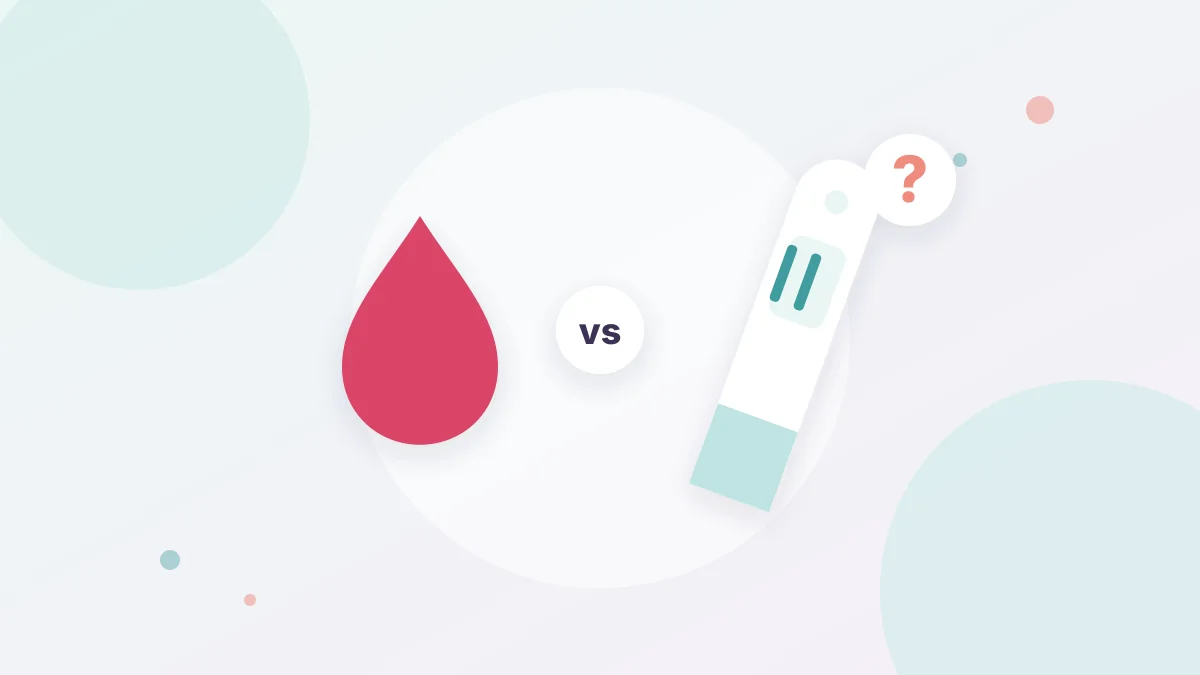
Early pregnancy and PMS share many symptoms, because both are driven by rising progesterone. That makes it hard to tell them apart in the days before a period is due.
Symptoms that overlap
- Tender or sore breasts
- Tiredness
- Bloating and cramps
- Mood swings and irritability
- Headaches
- Food cravings
- Light spotting or discharge changes
Signs that point more towards pregnancy
- A missed period, the clearest sign
- Nausea or sickness, with or without vomiting
- Needing to pass urine more often
- A metallic taste or new aversion to foods and smells
- Breasts that feel fuller and heavier, with darker areolas
- Light spotting around implantation, which is usually brief and lighter than a period
- Symptoms that continue after your usual period day
Signs that point more towards PMS are symptoms that you recognise from earlier cycles and that ease when bleeding starts.
When to test
The most reliable time to take a home test is from the first day of a missed period. Testing earlier can give a false negative because levels of the pregnancy hormone hCG may still be low. If your test is negative and your period still has not arrived, repeat it after a few days.
Things that delay a period without pregnancy
- Stress
- Illness
- Weight changes or intense exercise
- Coming off hormonal contraception
- Breastfeeding
- Conditions such as polycystic ovary syndrome and thyroid problems
What to do next
- If the test is positive, contact your GP or midwife and start folic acid.
- If it is negative and your period does not arrive within a week or so, see your doctor.
- If you have severe pain on one side, heavy bleeding or feel faint, seek urgent help. Those can be signs of an ectopic pregnancy.
Frequently asked questions
Can you have a period and be pregnant?
Light bleeding can happen in early pregnancy, but a true period does not. Tell your midwife about any bleeding.
How soon do symptoms start?
Some people notice changes within a week or two of conception, others not until later.
Can symptoms alone tell me?
No. Only a test can confirm it.
Sources: NHS guidance on the early signs of pregnancy and pregnancy tests.
This article is for general information, not medical advice. If you're worried about your health, talk to a doctor or other clinician.