2 min read · Updated
Periods are normal and healthy, but many people still find them hard to talk about. Whether you are a young person with questions or a parent preparing for the conversation, a few ideas can make it easier.
For teens
- Choose a moment. Many people find it easier to talk in the car, on a walk, or while doing something together, rather than face to face
- Write it down or send a text if talking feels too hard
- Start simply: "Can I ask you about periods?" or "I think mine might start soon"
- Ask for what you need, such as products, a hot water bottle or a doctor's appointment
- Find reliable information, such as from the NHS website, school nurse or a trusted adult
- Remember that everyone has had to learn it too, and most adults want to help
For parents and carers
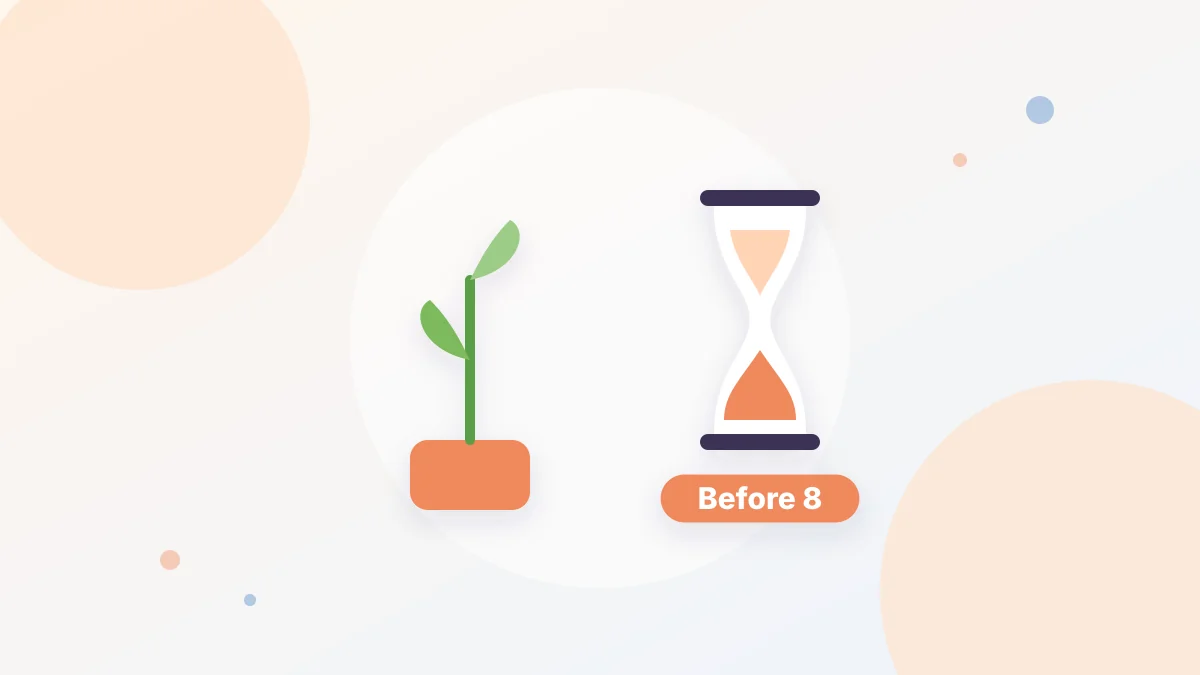
- Start early. Talking before the first period happens, around age 8 to 10, is better than waiting. Include children of all genders, so periods are understood and not stigmatised
- Keep it calm and factual, using correct words such as vulva and period
- Listen first, and ask what they already know
- Have a few short conversations instead of one big talk
- Share your own experience, if you like, including mixed feelings
- Prepare supplies: keep pads or period pants, spare underwear and a small pouch ready
- Reassure that it is normal, not shameful, and that cramps, mood changes and irregular cycles are common at the start
- Talk about pain and when to get help, so they know that painful, heavy or very irregular periods are worth checking
- Respect privacy, and let your child make choices about products
What to cover
- What a period is and why it happens
- How to use pads, tampons, cups and period pants
- What to do if a period starts at school
- Normal vs not normal, such as pain that stops activities
- Mood changes and tracking
- Hygiene and discharge
- Relationships, consent and contraception, when the time is right
Teachers and schools
Schools in England provide free period products, and teachers can help students feel comfortable asking. Students should know who to ask, and where to get supplies.
Frequently asked questions
What if my child does not want to talk?
Respect it, leave resources, and let them know you are there when they are ready.
What if I feel embarrassed?
That is normal. Being open anyway shows them it is okay.
Should fathers and brothers be involved?
Yes. Understanding periods helps everyone support each other.
Sources: NHS guidance on talking to your child about periods, and the Brook and Always Puberty Education resources.
This article is for general information, not medical advice. If you're worried about your health, talk to a doctor or other clinician.