2 min read · Updated
Your first period is a normal part of growing up. It can feel exciting, strange or scary, and all of those feelings are normal. Knowing what to expect makes it easier.
When does it start?
Most people have their first period between ages 10 and 15, with an average of about 12 or 13. It usually begins about two to three years after breasts start to develop. Some start earlier or later, and that is usually normal.
Signs it is coming
- Breast development and pubic hair growth
- A growth spurt
- A clear or whitish vaginal discharge for several months before your first period
- Mood changes, cramps or spots
What your first period looks like
- Spotting, or a light flow, and it can be pink, red or brown
- Lasts from 2 to 7 days
- May be irregular, and the next one may not come for weeks or months
- You might lose only a few tablespoons of blood in total, even if it looks like more
Getting ready
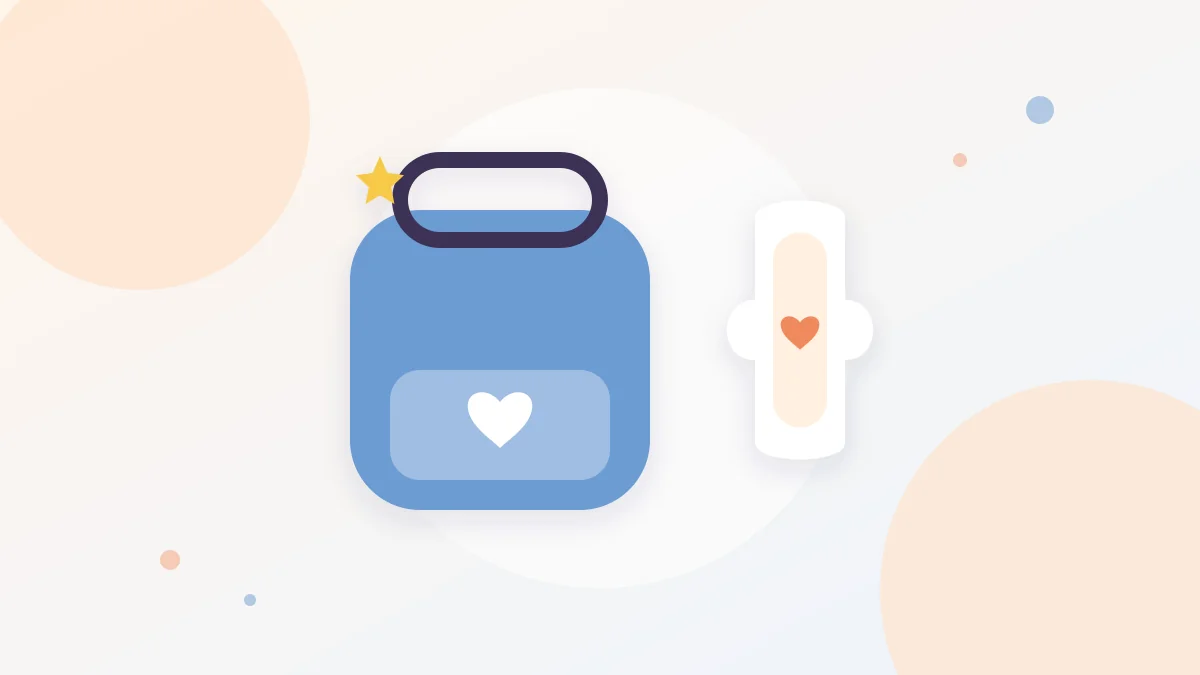
- Keep pads or period underwear in your school bag, and in a pouch
- Carry a spare pair of underwear and wipes
- Know where the school has spare products, and who to ask
- Tell a trusted adult, friend or teacher if your period starts at school
- If you get a stain, tie a jumper around your waist and change when you can
Which product to use
Pads are a good starting point. Tampons, cups and period underwear are safe options as well when you are ready. See our guide to period products.
Easing cramps
- A hot water bottle or warm bath
- Gentle exercise or stretching
- Ibuprofen or paracetamol, following the label or a doctor's advice
- Rest and plenty of water
When to ask for help
See a doctor or school nurse if:
- You have not had a first period by age 15, or by 3 years after breasts began to grow
- Your period pain is severe or stops you going to school
- Bleeding is very heavy, or lasts longer than 7 days
- You have no signs of puberty by 13
- You are worried about anything
For parents and carers
Talk early and calmly, listen, and let your child lead. Provide supplies, and make sure they know that periods are normal and nothing to be ashamed of. Be ready to discuss changes in mood and body image.
Frequently asked questions
Can I swim on my period?
Yes, with a tampon, cup or period swimwear.
Is it normal if my period is late again?
In the first two years, yes. Cycles often take time to settle.
Can I get pregnant on my first period?
Pregnancy is possible once you begin ovulating, which can happen before your first period. Learn about contraception.
Sources: NHS guidance on periods and puberty, and the Royal College of Obstetricians and Gynaecologists patient information.
This article is for general information, not medical advice. If you're worried about your health, talk to a doctor or other clinician.