1 min read · Updated
What are Braxton Hicks contractions?
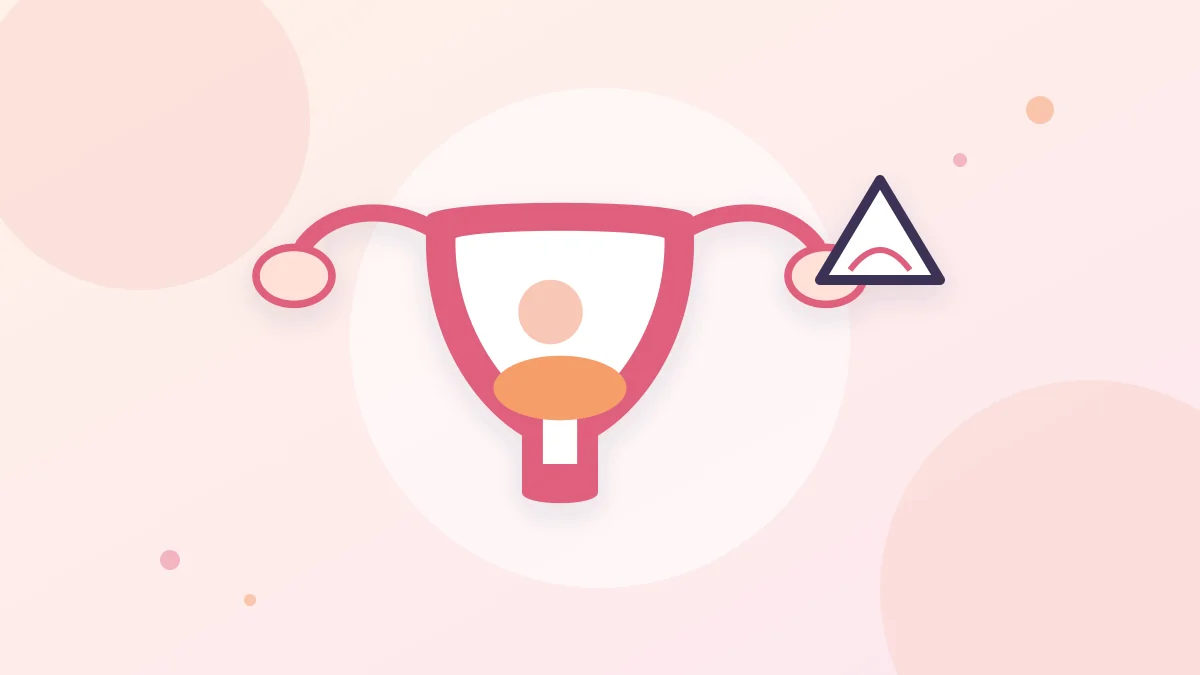
Braxton Hicks contractions are practice tightenings of the uterus. They can begin in the second trimester, although they are usually noticed in the third, and they do not open the cervix.
How they feel
- A tightening or hardening across the belly, often painless or mildly uncomfortable
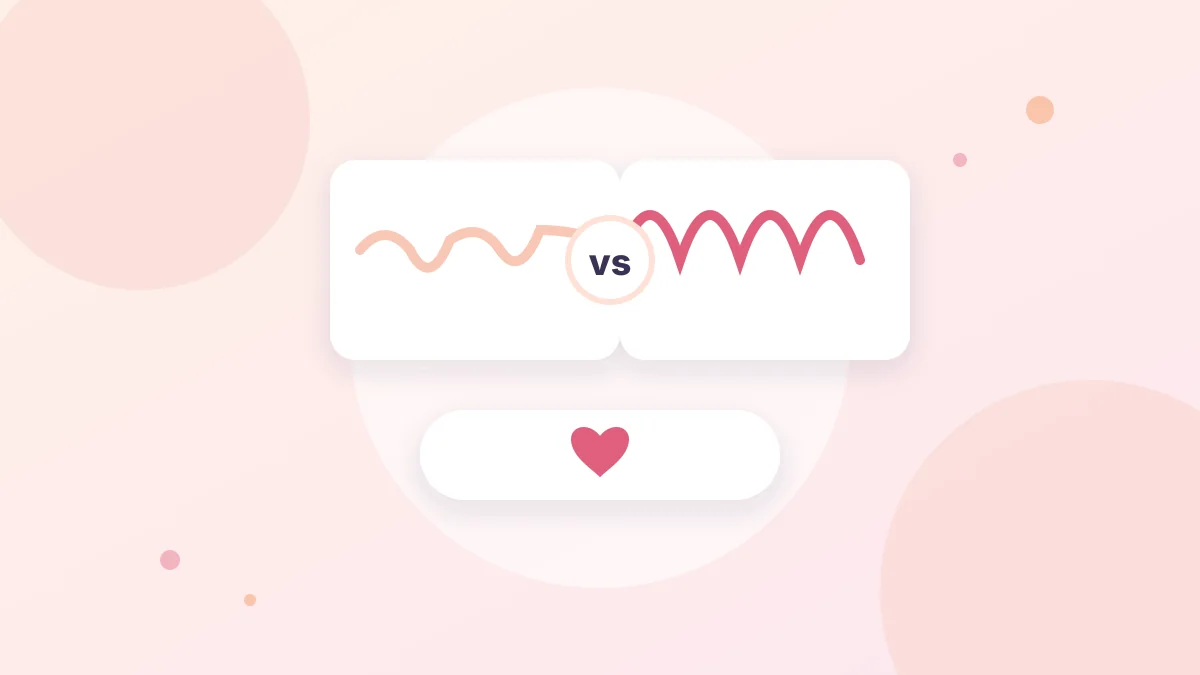
- Irregular, not getting closer together
- Eased by changing position, drinking water, or resting
- Last 30 to 60 seconds, occasionally up to two minutes
Signs of real labour
- Contractions that come at regular intervals and get closer, longer and stronger
- Pain that does not ease with rest or walking
- Pain starting in the back and moving to the front
- A "show," which is a pinkish mucus plug
- Waters breaking
- Pressure low in the pelvis
When to call
Contact your midwife or maternity unit if:
- Contractions are regular, about five minutes apart for an hour, or as your team has advised
- Your waters break, even without contractions
- You have bleeding
- Your baby is moving less than usual
- You are before 37 weeks and having regular contractions
Frequently asked questions
Can dehydration cause Braxton Hicks?
Yes, so drink water and rest if they bother you.
Are Braxton Hicks harmful?
No, but if you are unsure, always call your midwife.
This article is for general information, not medical advice. If you're worried about your health, talk to a doctor or other clinician.