2 min read · Updated
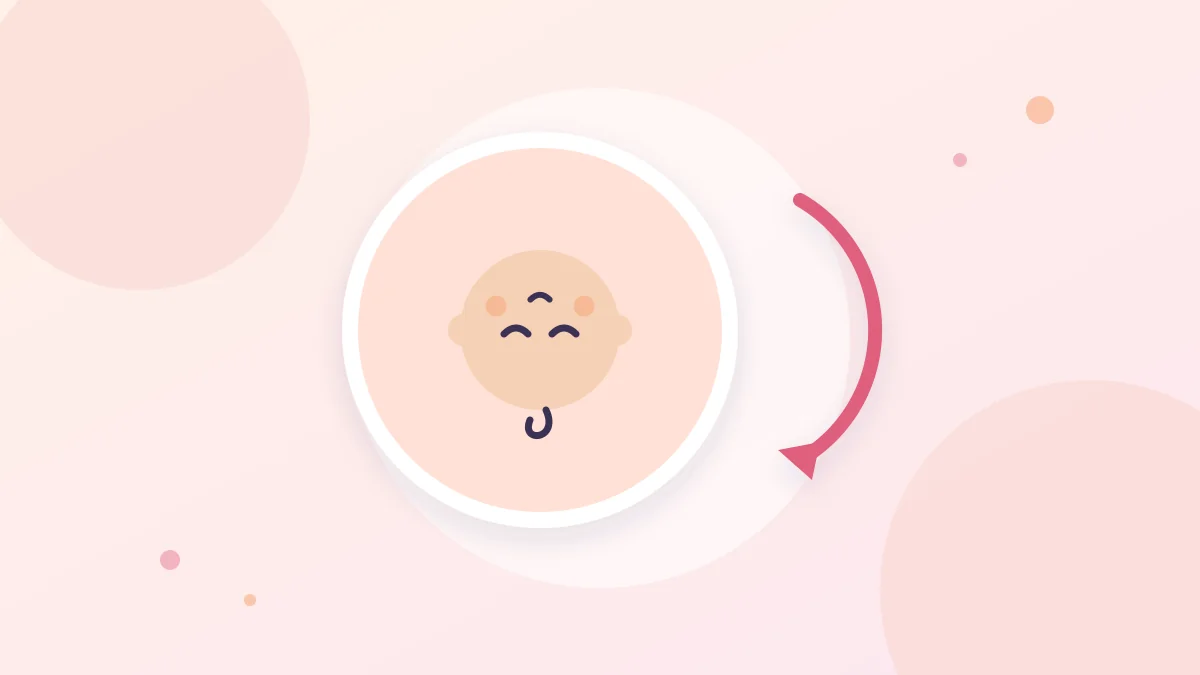
A breech baby lies bottom or feet first rather than head down. It is common earlier in pregnancy, when there is room to move, but by the end of pregnancy about 3 to 4 in 100 babies are still breech.
Why it happens
Often there is no reason. Breech is more likely if you have had a previous breech baby, are expecting twins, have too much or too little amniotic fluid, a low-lying placenta, a differently shaped womb, or your baby was born early.
How it is found
Your midwife may feel the baby's position at appointments from around 36 weeks, and an ultrasound will confirm it.
Options
1. Turning the baby: external cephalic version (ECV)
- A doctor gently pushes on your tummy to turn the baby head down. It is offered from around 36 weeks in a first pregnancy and 37 weeks in later ones.
- It works about 50 percent of the time, and slightly more if you have had a baby before.
- It can be uncomfortable, and you are monitored before and after. You may be given a medicine to relax the womb.
- Risks are small, but include a sudden change in the baby's heart rate, bleeding or a need for an urgent birth.
- Some babies turn back.
2. Planned vaginal breech birth
- Possible for some people in units with experienced staff and the right resources
- The baby is usually born bottom first, and the process is monitored closely
- There are slightly higher risks for the baby than a head-down birth, so careful selection and discussion matter
3. Planned caesarean
- Often offered at around 39 weeks
- Reduces the risks to the baby from a breech vaginal birth, but has the usual risks of surgery and affects future pregnancies
Things people try
Positions, such as being on hands and knees, and moxibustion (burning herbs near the little toe) have been tried to encourage turning. Evidence that they work is limited, but they are generally safe. Ask your midwife.
What if labour starts and the baby is breech?
Go to hospital. Your team will discuss whether a vaginal or caesarean birth is safest.
Making the decision
Ask about the risks and benefits of each option, your unit's experience and what matters to you. You can change your mind.
Frequently asked questions
Can my baby turn by themselves?
Yes, up until labour, although the chance falls late in pregnancy.
Is ECV painful?
It can be uncomfortable. Ask for pain relief if you need it.
Will a breech baby have problems after birth?
Most are healthy. Babies born breech have a slightly higher chance of hip problems and are checked.
Sources: NHS guidance on breech birth, and RCOG Green-top Guideline 20b.
This article is for general information, not medical advice. If you're worried about your health, talk to a doctor or other clinician.