1 min read · Updated
How to choose contraception
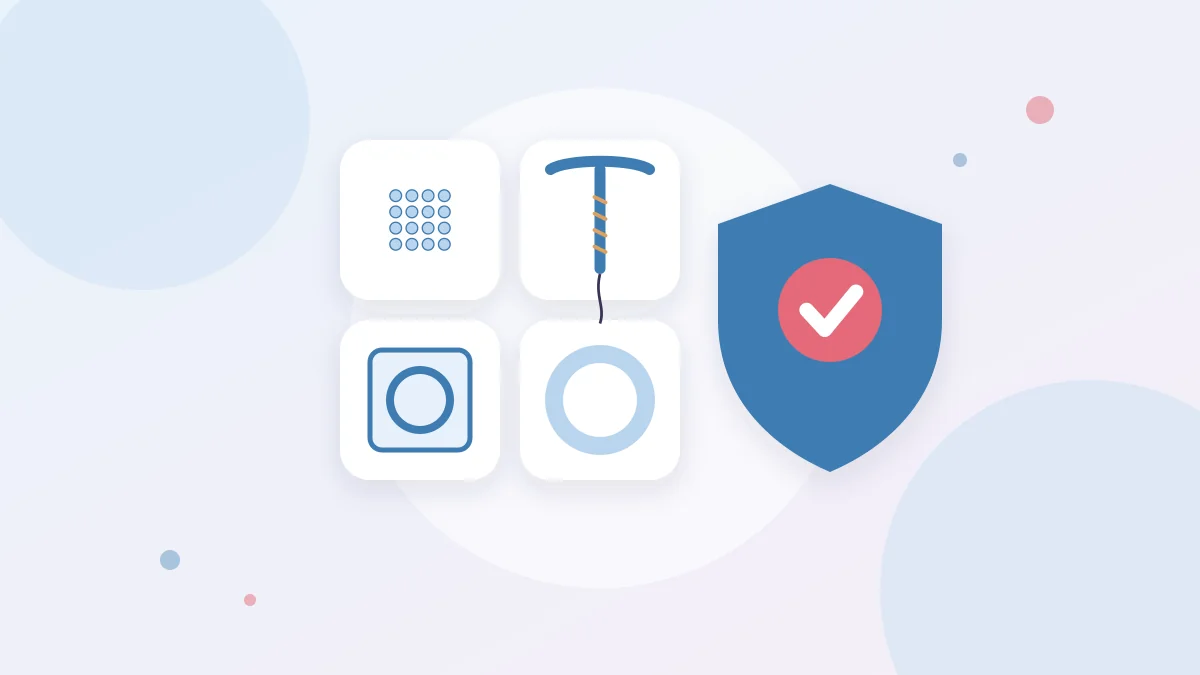
The best method is the one that suits your health, lifestyle and plans. Effectiveness varies, mainly depending on how easy it is to use perfectly.
Long-acting reversible methods (most effective)
- Hormonal IUD: lasts 3 to 8 years, often makes periods lighter. Over 99 percent effective.
- Copper IUD: hormone-free, lasts up to 10 years. Over 99 percent effective.
- Implant: a rod in the arm, lasts about 3 years (some countries allow longer). Over 99 percent effective.
Hormonal methods needing regular action
- Combined pill: taken daily. About 93 percent effective in typical use.
- Progestin-only pill: for people who cannot take estrogen.
- Patch and ring: weekly or monthly.
- Injection: every 8 to 13 weeks. About 96 percent effective.
Barrier methods
- Condoms: about 82 to 87 percent effective in typical use (NHS and CDC figures), and protect against infections
- Diaphragm and cap: used with spermicide
Other options
- Fertility awareness: tracking signs, less reliable
- Sterilisation: permanent, for those who are sure
- Emergency contraception: pills or a copper IUD after unprotected sex
Things to consider
- How soon you want to conceive
- Medical conditions, such as migraine with aura, clots or high blood pressure
- Effects on periods
- Protection against infections
- Whether you can take a pill at the same time daily
Frequently asked questions
Which method is best?
There is no single best one. Implants and IUDs are the most effective in everyday use.
Does contraception affect fertility later?
Generally no, though the injection can take longer to wear off.
A clinician or sexual health service can help you choose.
This article is for general information, not medical advice. If you're worried about your health, talk to a doctor or other clinician.