1 min read · Updated
What is endometriosis?
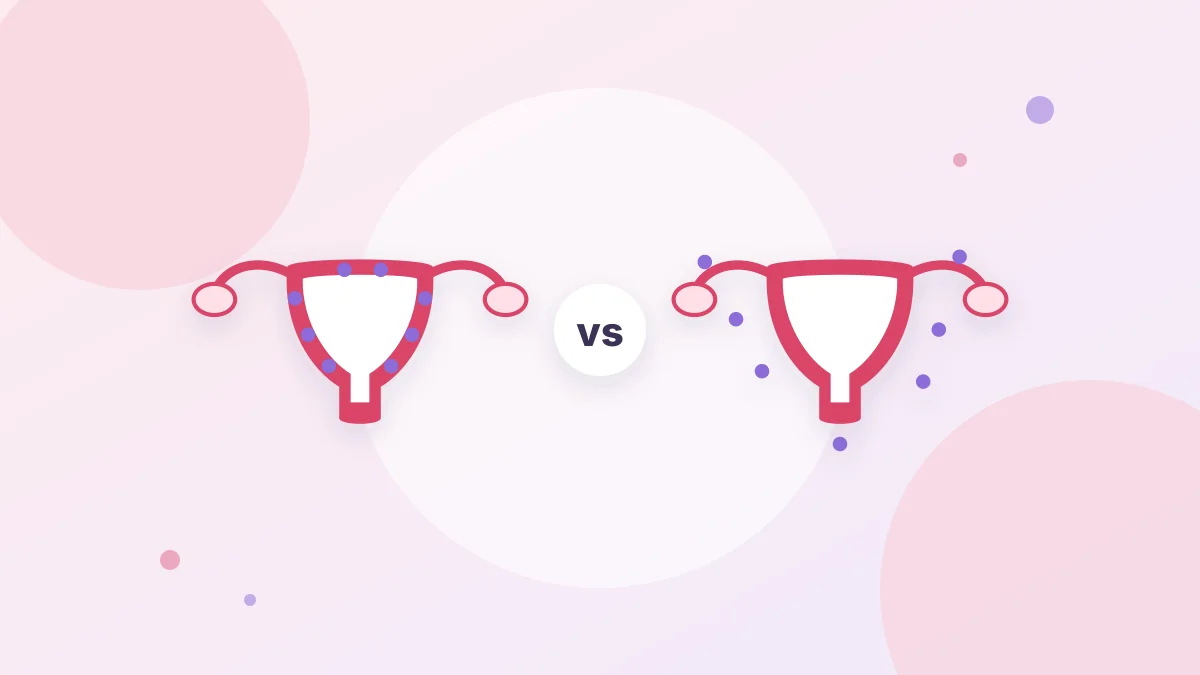
Endometriosis is a condition in which tissue similar to the lining of the uterus grows outside it, for example on the ovaries, fallopian tubes and pelvic lining. It affects roughly 1 in 10 people with a uterus, and it responds to hormones, bleeding each cycle and causing inflammation and scarring.
Common symptoms
- Painful periods that get worse over time
- Pelvic pain outside of your period
- Pain during or after sex
- Pain when going to the toilet, especially during your period
- Heavy periods
- Fatigue
- Bloating, sometimes called endo belly
- Difficulty getting pregnant
The amount of pain does not match how much endometriosis there is.
When to see a doctor
If period pain stops you from going to work or school, does not respond to painkillers, or comes with any of the symptoms above, see a doctor. Ask directly whether endometriosis could be the cause.
How it is diagnosed
A doctor will ask about your symptoms and may arrange a pelvic exam, ultrasound or MRI. Laparoscopy, a keyhole operation, can confirm the diagnosis. On average, diagnosis takes several years, so keeping a symptom diary helps.
Treatment
- Pain relief
- Hormonal treatments to reduce or stop periods
- Surgery to remove endometriosis
- Pelvic physiotherapy and pain-management support
Frequently asked questions
Is endometriosis cancer?
No, it is not cancer.
Does it always cause infertility?
No. Many people with endometriosis conceive naturally, though some need help.
Does pregnancy cure it?
Symptoms may ease during pregnancy, but it does not cure it.
Track pain, bleeding and mood in Masik to bring clear information to your appointment.
This article is for general information, not medical advice. If you're worried about your health, talk to a doctor or other clinician.