1 min read · Updated
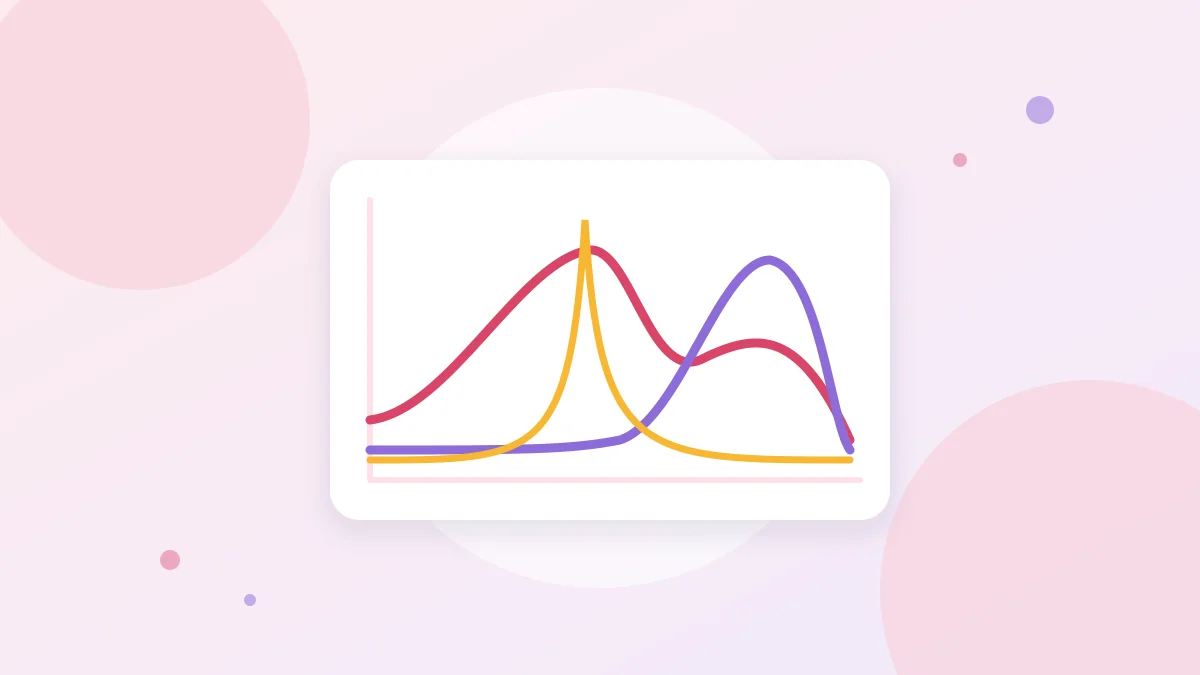
Four main hormones run your cycle: follicle-stimulating hormone (FSH), luteinizing hormone (LH), estrogen and progesterone.
Menstrual phase (days 1 to about 5). Estrogen and progesterone are low, which lets the lining shed. FSH starts to rise.
Follicular phase
FSH encourages follicles in the ovaries to grow. The follicles produce estrogen, so estrogen rises steadily, rebuilding the uterine lining and often lifting energy and mood.
Ovulation
Estrogen peaks and triggers a sharp surge in LH, which causes the dominant follicle to release an egg about 24 to 36 hours later. Ovulation predictor kits detect this LH surge.
Luteal phase
The empty follicle becomes the corpus luteum and produces progesterone, with some estrogen. Progesterone prepares the lining for pregnancy and raises body temperature slightly, which is why basal body temperature charts shift after ovulation.
If there is no pregnancy,
the corpus luteum fades, progesterone and estrogen drop, and the lining is shed, starting a new cycle.
Why it matters
These shifts explain changes in mood, energy, skin, appetite, sleep and cervical mucus across the month. Everyone responds differently.
Tracking your own symptoms in Masik shows how your body responds to its hormone pattern.
Frequently asked questions
Which hormone peaks before ovulation?
Estrogen rises, then LH surges to trigger ovulation.
Why does temperature rise after ovulation?
Progesterone, which is made after ovulation, raises body temperature slightly.
This article is for general information, not medical advice. If you're worried about your health, talk to a doctor or other clinician.