2 min read · Updated
Ovulation tests, also called ovulation predictor kits (OPKs), are urine tests that detect the surge of luteinising hormone (LH) that happens before an egg is released. They can help you time sex if you are trying to conceive.
How they work
About 24 to 36 hours before ovulation, LH rises sharply. The test strip or digital device picks up that surge in your urine, giving a positive result. Ovulation usually follows within a day or two.
When to start testing
Count from the first day of your period. Many kits suggest starting about 3 to 5 days before you expect to ovulate. In a 28-day cycle, ovulation is usually around day 14, so you might start around day 10. If your cycle is longer, start later. If it is irregular, you may need to test for longer, and the kit will give guidance.
How to test
- Test at the same time each day, often in the afternoon or late morning, rather than first thing, because LH tends to build up during the morning
- Do not drink a lot of fluids for about two hours before, because that dilutes urine
- Follow the kit instructions closely and read the result within the stated time
Reading the result
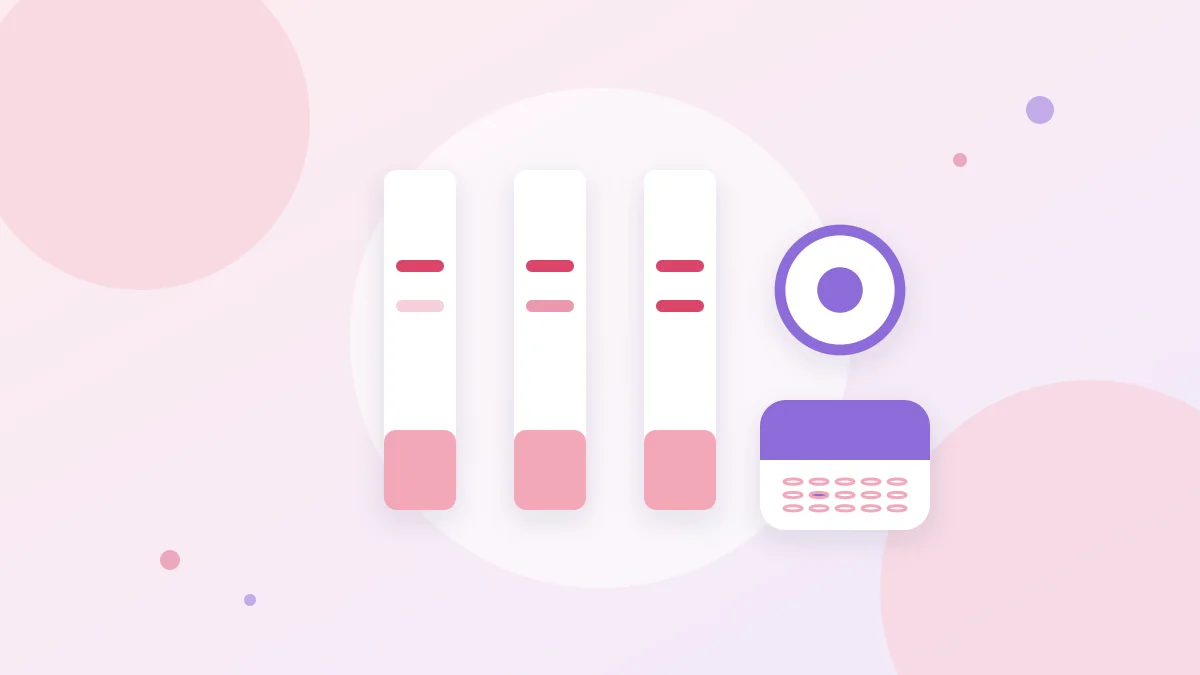
- Strips with two lines: a positive result is when the test line is as dark as, or darker than, the control line
- Digital tests: show a smiley face or "yes" when the surge is detected
When you get a positive result, the next day or two are your most fertile. Having sex on the day of the surge and the day after gives a good chance.
What they cannot do
- They cannot confirm that you have actually ovulated
- They may give a positive in people with polycystic ovary syndrome, who often have high LH
- They can be affected by certain medicines, such as fertility drugs, and by perimenopause
- Some people have more than one surge before ovulation
- They are not reliable as a way to avoid pregnancy
Using ovulation tests with other signs
Combine them with cervical mucus changes, basal body temperature or your calendar for a fuller picture. A temperature rise after the surge confirms ovulation has happened.
When to see a doctor
If you have been trying for a year, or six months if you are over 35, or if your cycles are very irregular or absent, see your GP. Tests are only a guide.
Frequently asked questions
Do I need to buy expensive kits?
Basic strips are usually just as reliable as digital ones.
Can ovulation tests detect pregnancy?
No. Use a pregnancy test.
How long should I test for?
Until you get a positive. Most people need about 5 to 10 days, depending on cycle length.
Sources: NHS guidance on trying to get pregnant, and NICE guideline NG156 on fertility problems.
This article is for general information, not medical advice. If you're worried about your health, talk to a doctor or other clinician.