2 min read · Updated
Toxic shock syndrome (TSS) is a rare, life-threatening illness caused by toxins released by certain bacteria, most often Staphylococcus aureus and group A streptococcus. It can affect anyone, including men and children, but it is best known for its link to tampons.
Symptoms
TSS can develop quickly, within hours. Symptoms include:
- A sudden high fever, often above 39 degrees Celsius
- Flu-like symptoms, such as headache, muscle aches and a sore throat
- A rash that looks like sunburn, especially on the palms and soles
- Feeling dizzy, faint or confused
- Vomiting or diarrhoea
- Low blood pressure
- Peeling skin after a few days
What to do
If you have these symptoms while using a tampon, a menstrual cup, a contraceptive sponge or a diaphragm:
1. Take it out immediately
2. Call emergency services or go to the nearest emergency department
3. Tell the staff you were using one
TSS needs urgent hospital treatment with antibiotics and often intensive care.
Causes
Bacteria that are often harmless can multiply and release toxins. TSS has been linked with:
- Tampons, especially high-absorbency ones left in for a long time
- Menstrual cups, discs, sponges and diaphragms, less commonly
- Skin wounds, burns, surgical wounds or infections
- Childbirth or miscarriage
- Nasal packing
It is rare. Cases linked to periods are now far less common than they were, but it still happens.
Lowering your risk
- Use the lowest absorbency that suits your flow
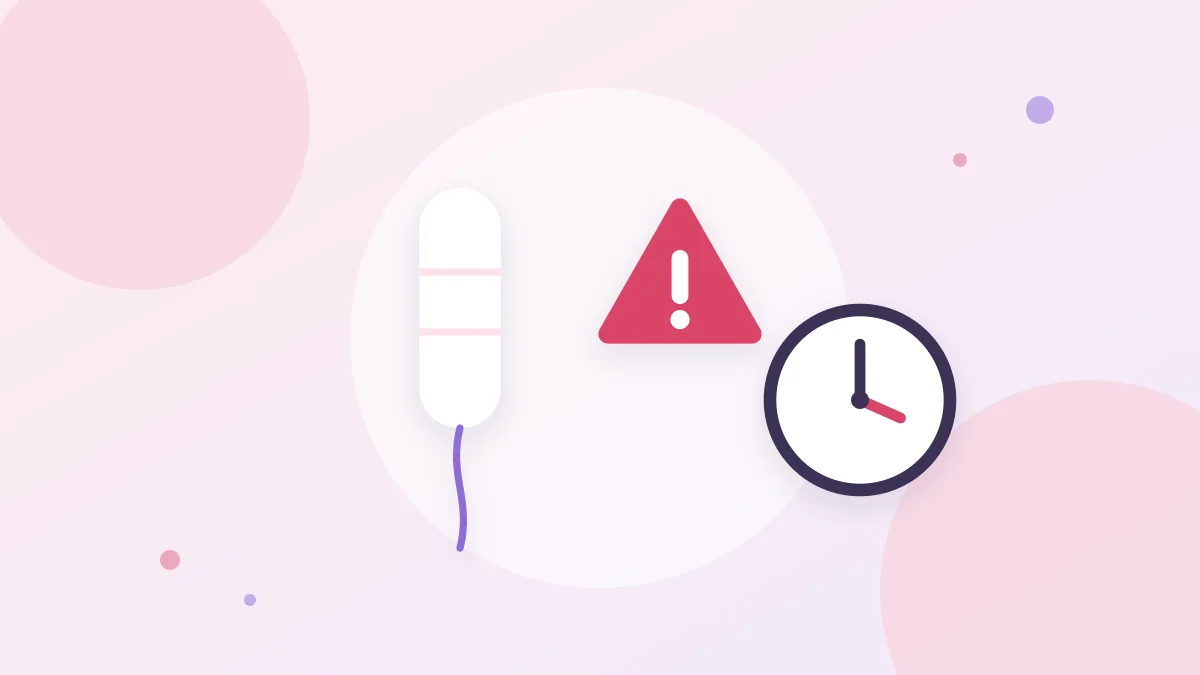
- Change tampons every 4 to 8 hours, and never leave one in for more than 8 hours
- Alternate with pads, especially at night, or use a pad overnight
- Wash your hands before inserting a tampon or cup
- Do not leave a menstrual cup in for longer than the maker advises, usually up to 12 hours, and clean it properly
- Use a tampon only when you have your period, not for discharge or between periods
- Remove the last tampon at the end of your period
- If you have had TSS before, ask a doctor whether you should use tampons
Frequently asked questions
Can you get TSS from a menstrual cup?
It is possible but very rare. Follow hygiene advice.
Are organic tampons safer?
There is no good evidence they lower the risk. Absorbency and wearing time matter more.
Is TSS common?
No. It is rare, but it is serious, so know the signs.
Sources: NHS guidance on toxic shock syndrome, and Toxic Shock Syndrome Information Service.
This article is for general information, not medical advice. If you're worried about your health, talk to a doctor or other clinician.