2 min read · Updated
The perineum is the area between the vagina and anus. During a vaginal birth it stretches a lot, and many people get a tear or have a cut called an episiotomy. Most heal well.
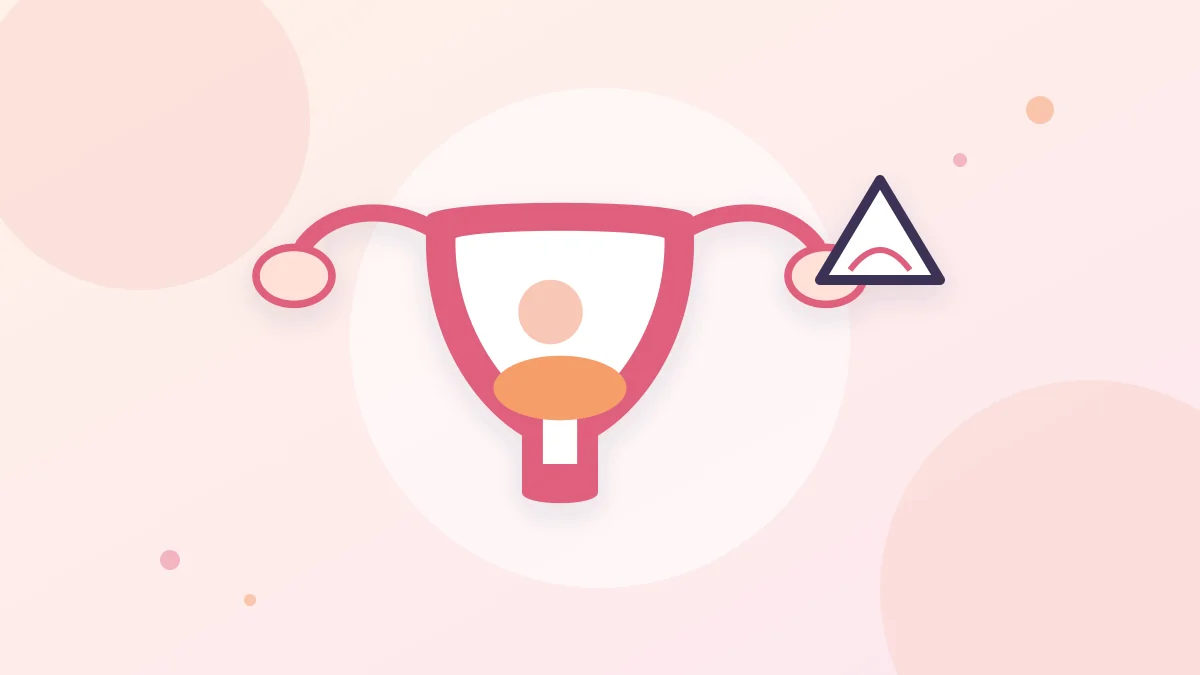
Degrees of tear
- First degree: small skin tears that may not need stitches
- Second degree: the skin and muscle of the perineum, which are stitched
- Third degree: the tear extends to the muscle around the anus (anal sphincter)
- Fourth degree: the tear goes through the sphincter and into the lining of the back passage
Third- and fourth-degree tears are less common, affecting around 3 in 100 first-time vaginal births in the UK, and they need repair in an operating theatre by an experienced doctor.
Stitches
Stitches are done under local anaesthetic or an epidural, and dissolve on their own over a few weeks. If you feel pain, tell your midwife or doctor.
Easing the pain
- Take paracetamol or ibuprofen, as advised
- Use a cold pack wrapped in a cloth for 10 to 20 minutes
- Sit on a soft cushion or lie on your side
- Pour warm water over the area when you pass urine, or urinate in the shower
- Keep the area clean and dry, and change pads often
- Pat dry rather than rubbing
- Eat fibre, drink water and take a stool softener to avoid straining
Looking after your pelvic floor
Start gentle pelvic floor exercises when you feel ready, often within days. They improve healing and bladder and bowel control.
When to get help
Contact your midwife or GP if you have:
- Increasing pain, swelling, redness or a bad smell from the wound
- Fever or feeling unwell
- Stitches coming apart
- Difficulty passing urine or opening your bowels
- Leaking from the bowel, or loss of control of wind or stool
- Pain that does not ease
After a third- or fourth-degree tear
You should be offered follow-up and physiotherapy, and a plan for future births. Many people have an uncomplicated vaginal birth next time, but you may be offered a discussion about the options.
Preventing tears
Warm compresses on the perineum in the second stage of labour and perineal massage from about 35 weeks may reduce the chance of severe tears. Ask your midwife.
Frequently asked questions
How long does healing take?
Most tears heal within two to six weeks, though some soreness can last longer.
When can I have sex again?
When you are ready and comfortable. Many wait until after the six-week check.
Will I tear again?
Not necessarily. Each birth is different.
Sources: NHS guidance on tears and cuts during birth, and RCOG Green-top Guideline 29.
This article is for general information, not medical advice. If you're worried about your health, talk to a doctor or other clinician.