1 min read · Updated
What is preeclampsia?
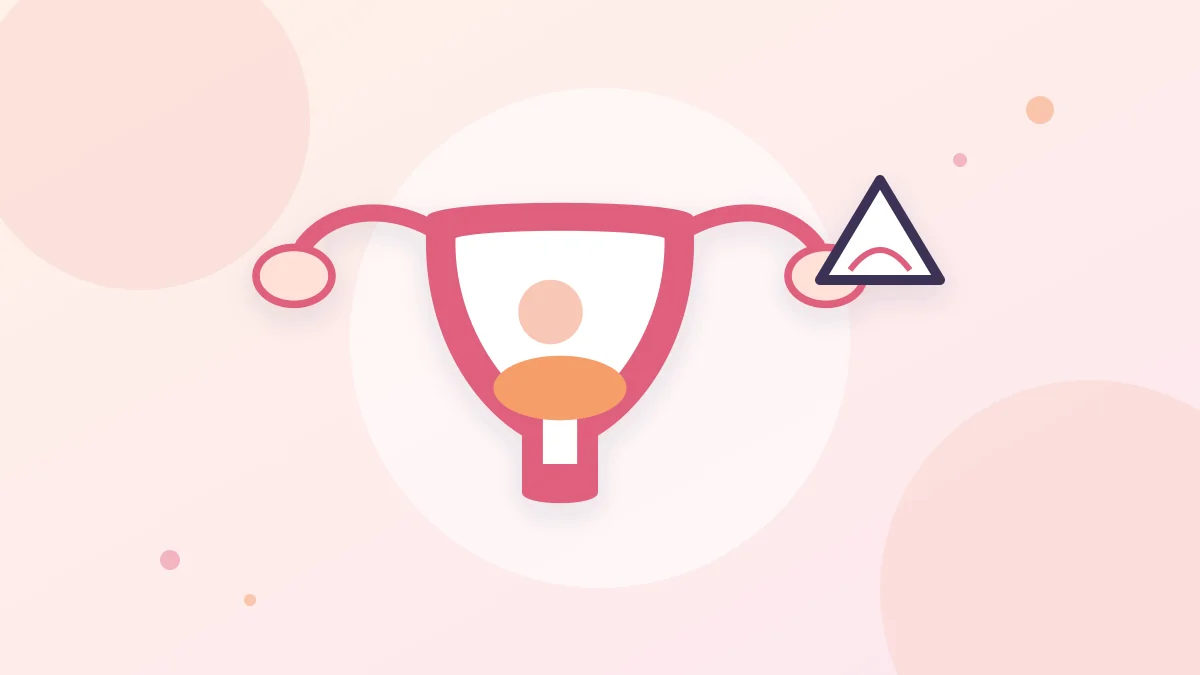
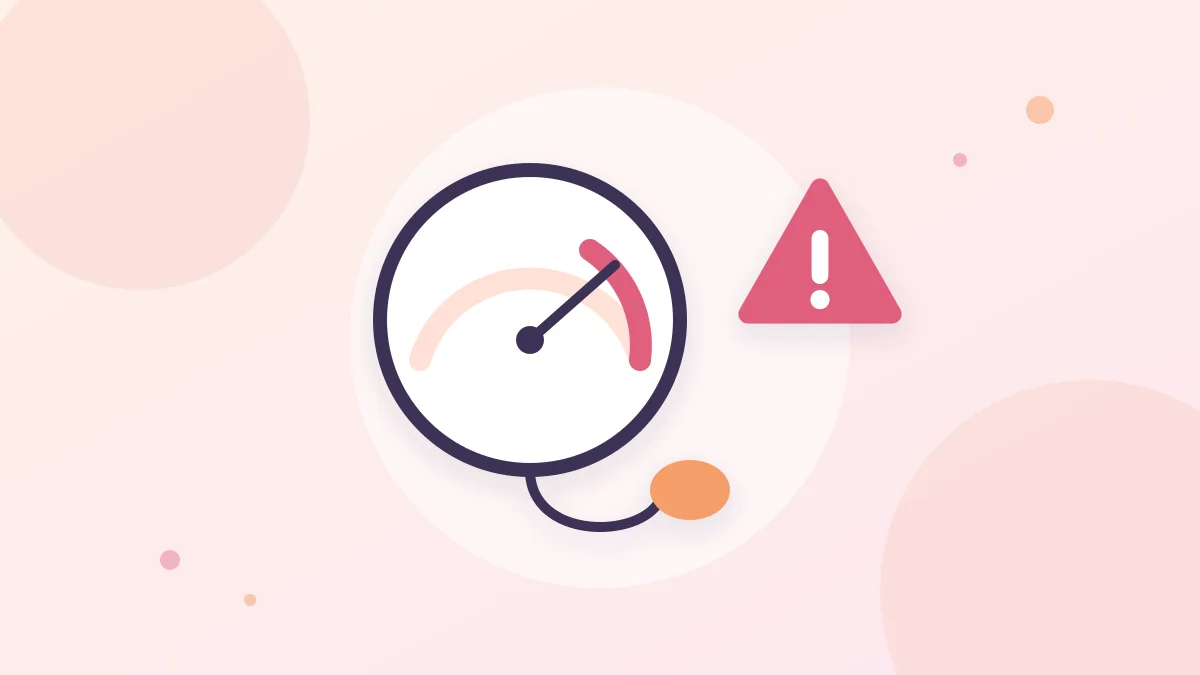
Preeclampsia is a pregnancy condition with high blood pressure and signs that organs, often the kidneys and liver, are affected. It usually begins after 20 weeks, and can also occur after birth.
Symptoms to watch for
- Severe or persistent headache
- Vision changes, such as blurring or flashing lights
- Pain below the ribs on the right side
- Sudden swelling of the face, hands or feet
- Nausea or vomiting later in pregnancy
- Rapid weight gain over a few days
- Shortness of breath
Many people have no symptoms, which is why blood pressure and urine checks at every appointment matter.
Who is at higher risk?
- First pregnancy
- Previous preeclampsia or a family history
- High blood pressure, diabetes or kidney disease
- Being over 40, or having a multiple pregnancy
- Obesity
- Some autoimmune conditions
Treatment
The only cure is delivery of the baby and placenta. Until then, treatment involves close monitoring, blood pressure medicine, and sometimes steroids to help the baby's lungs. Low-dose aspirin from around 12 weeks may be advised for people at higher risk.
When to seek urgent help
Contact your maternity unit straight away, or go to emergency care, if you have a severe headache, vision changes, pain under the ribs, or sudden swelling.
Frequently asked questions
Can I prevent preeclampsia?
Not entirely, but regular antenatal care and aspirin when advised reduce risk.
Will it happen again?
The risk is higher, though many people have normal pregnancies afterwards.
This article is for general information, not medical advice. If you're worried about your health, talk to a doctor or other clinician.