1 min read · Updated
The basics
If sleep reliably gets worse in the days before your period, a few targeted strategies tend to help more than generic sleep advice:
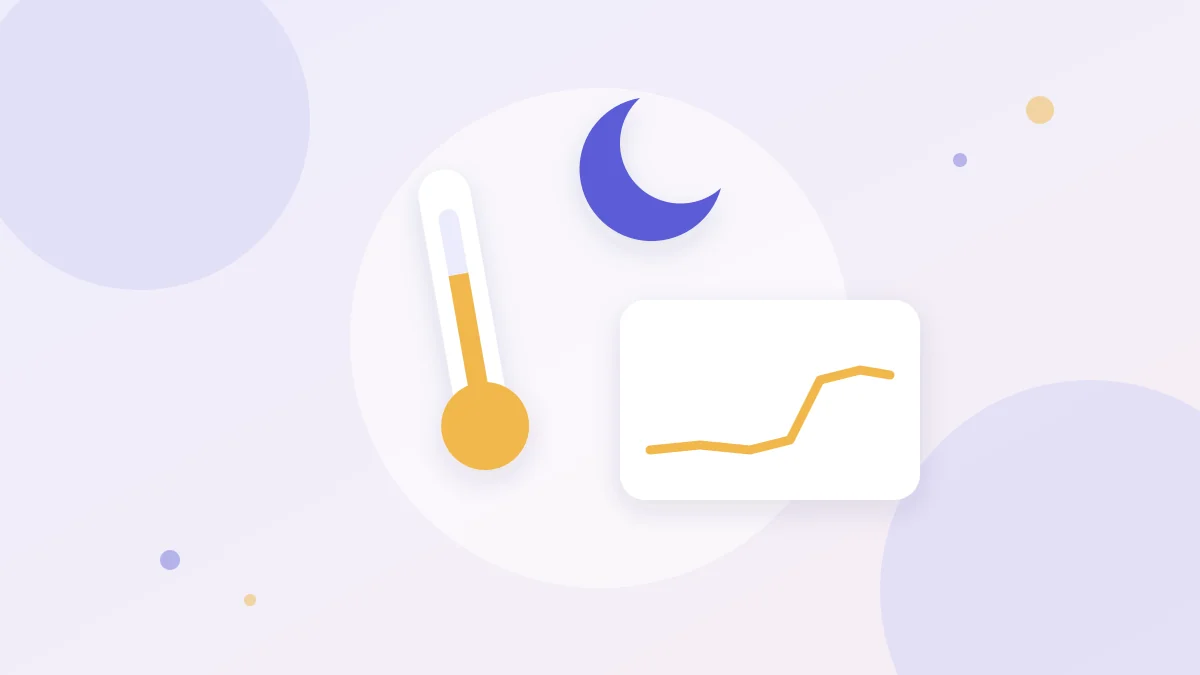
- Cool the room down slightly more than usual. Since core body temperature is already running a touch higher in the luteal phase, a cooler room can help offset it and make falling asleep easier.
- Cut caffeine earlier in the day. Caffeine's effects can compound with luteal-phase sleep disruption more than people expect.
- Address cramps before bed, not after they've already disrupted sleep. A heating pad or pain reliever taken proactively in the evening — rather than reactively at 2am — tends to work better.
- Keep a consistent wind-down routine, even more so in the days you know are typically harder. Consistency matters more when your baseline sleep quality is already under some hormonal pressure.
- Limit alcohol in the days before your period. It can worsen both sleep quality and next-day PMS symptoms.
If sleep disruption is severe enough to affect your daytime functioning for a meaningful chunk of each cycle, it's worth mentioning to a doctor specifically as a cycle-linked pattern — that context can meaningfully change what's worth trying next.
Frequently asked questions
What helps most with premenstrual insomnia?
A cool bedroom, regular sleep times, limiting caffeine and alcohol and a wind-down routine.
Should I take melatonin?
Speak to a doctor or pharmacist first, as supplements are not right for everyone.
This article is for general information, not medical advice. If you're worried about your health, talk to a doctor or other clinician.