1 min read · Updated
It is natural to ask which days are "safe". The honest answer is that no day is completely safe without contraception, though some days are more fertile than others.
How the fertile window works
An egg survives about 12 to 24 hours after ovulation, but sperm can live up to five days. So pregnancy is possible from roughly five days before ovulation through the day after it. Ovulation can shift from cycle to cycle because of stress, illness, travel or sleep, so the window is hard to pin down.
Why calendar counting is unreliable
Predictions based on past cycles are estimates. If your cycles vary, the real fertile days can fall outside the predicted ones. Ovulation can even happen during or soon after a period in short cycles.
Fertility awareness methods
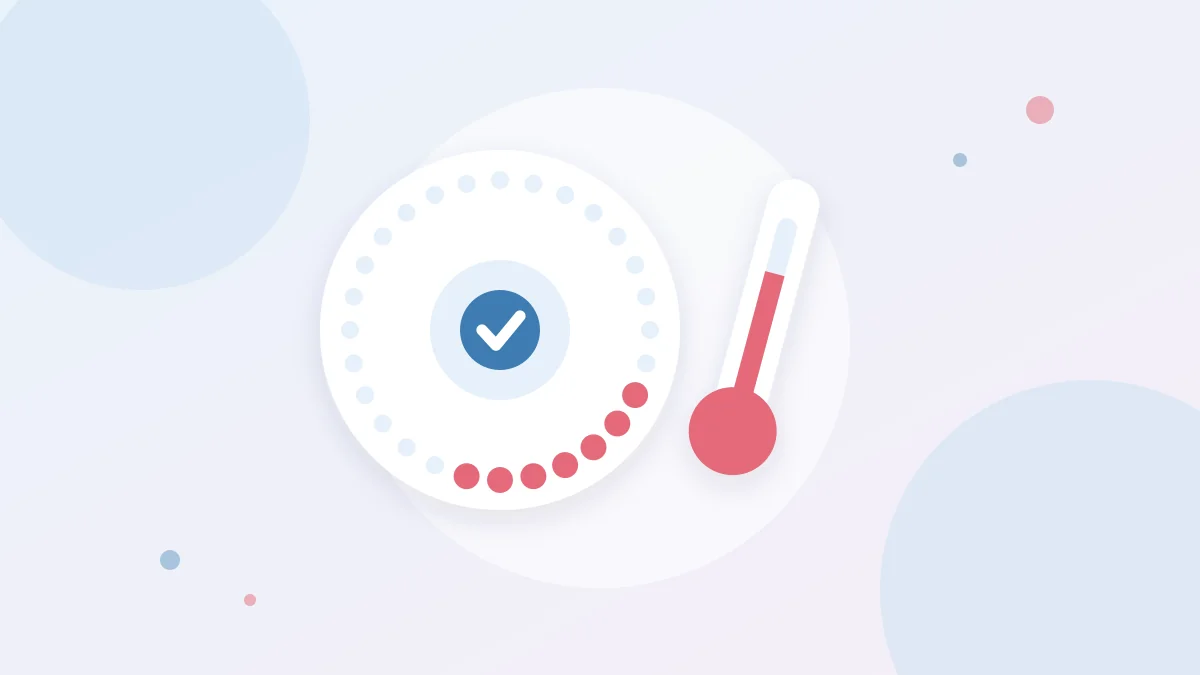
use body signs such as temperature and cervical mucus together with strict rules. Used perfectly they can work reasonably well, but in everyday use a meaningful number of people still become pregnant over a year, and they do not protect against infections.
What lowers the chance of pregnancy more reliably
- Condoms, which also protect against sexually transmitted infections
- Hormonal methods such as the pill, patch, ring, implant or injection
- An IUD, either copper or hormonal
If something goes wrong,
emergency contraception works best the sooner you take it, and the copper IUD can be used up to five days after unprotected sex.
A clinician or sexual health service can help you choose a method that suits you.
Frequently asked questions
Is there a safe time of the month?
No time is completely safe without contraception, particularly with irregular cycles.
How reliable are fertility apps?
They give estimates only, so they are not a dependable contraceptive on their own.
This article is for general information, not medical advice. If you're worried about your health, talk to a doctor or other clinician.