3 min read · Updated
The contraceptive pill is one of the most widely used birth control methods in the world. It is effective, reversible and can offer benefits beyond preventing pregnancy. This guide explains how the pill works, the different types, side effects, risks and what to do if you miss a pill.
How does the pill work?
Both main types of pill work mainly by stopping ovulation, so no egg is released. They also thicken cervical mucus to block sperm and thin the lining of the uterus.
Types of pill
The combined pill
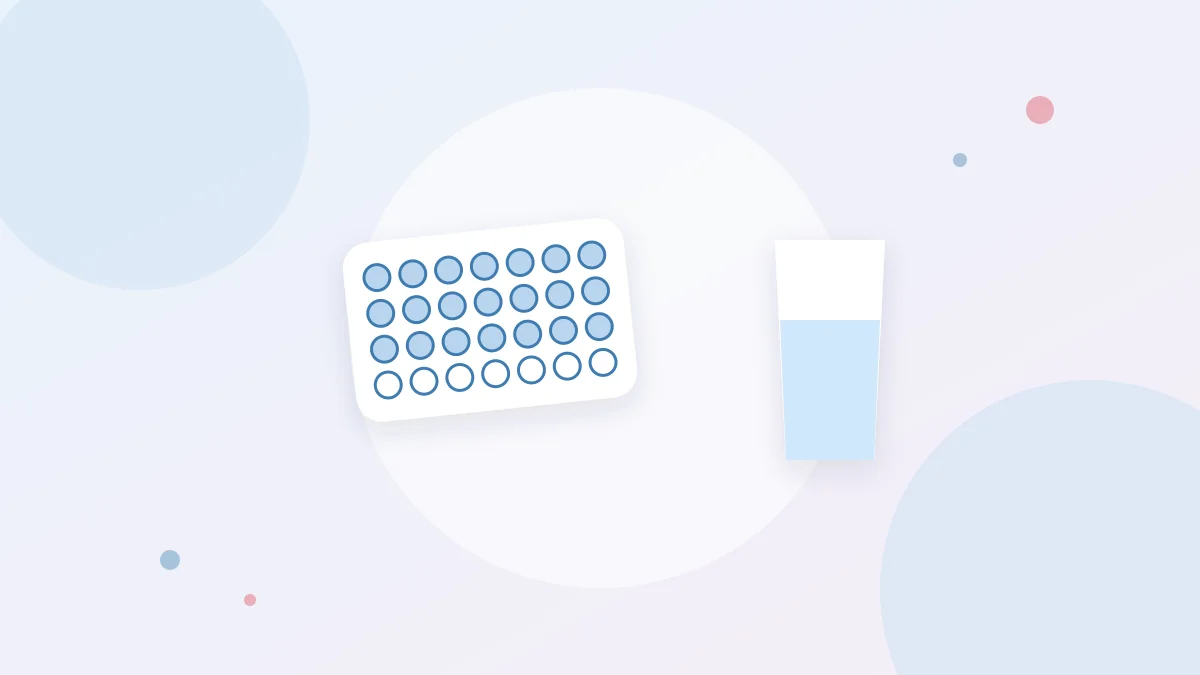
Contains estrogen and a progestin. It is usually taken for 21 days, followed by a seven-day break or placebo pills, during which you have a withdrawal bleed. Some are taken continuously to skip bleeds.
The progestin-only pill (mini-pill)
Contains only a progestin, and is taken every day with no break. It is suitable for people who cannot take estrogen, for example while breastfeeding, with migraine with aura, or with a history of blood clots. Traditional versions need to be taken within the same three-hour window each day, while desogestrel and drospirenone pills have a longer window of 12 or 24 hours respectively.
How effective is it?
- Perfect use: more than 99 percent effective
- Typical use: around 93 percent, meaning about 7 in 100 people become pregnant in a year, mostly because of missed or late pills
Benefits beyond contraception
- More regular, lighter and less painful periods
- Reduced acne for many people
- Relief from heavy bleeding, PMS and PMDD symptoms
- Management of PCOS symptoms
- Lower risk of ovarian and endometrial cancer, and some benign breast conditions
Common side effects
Most are mild and settle in the first two or three months:
- Spotting or irregular bleeding
- Nausea
- Breast tenderness
- Headaches
- Mood changes
- Changes in sex drive
Give a new pill a few months unless side effects are severe, and tell your doctor, since a different formulation may suit you better.
Risks and who should avoid the combined pill
The combined pill slightly raises the risk of blood clots. Your doctor should check your health history, including:
- Smoking, especially if over 35
- Migraine with aura
- High blood pressure
- A personal or family history of blood clots
- Certain heart conditions, liver disease or some cancers
- Being very overweight
If you have any of these, a progestin-only or non-hormonal method may be safer.
What if I miss a pill?
The advice depends on the type and how many pills you missed, so check the leaflet. As a general guide for combined pills:
- One pill missed or late by less than 24 hours: take it as soon as you remember, and continue as normal
- Two or more missed pills: take the most recent missed pill straight away, keep going, use condoms for seven days, and consider emergency contraception if you had sex in the previous days
For progestin-only pills, the window is much tighter, so follow the leaflet.
Vomiting and diarrhoea
If you vomit within two to three hours of taking a pill, or have severe diarrhoea for more than 24 hours, the pill may not have been absorbed, so use extra protection.
Does the pill protect against STIs?
No. Only condoms reduce the risk of sexually transmitted infections.
Stopping the pill
You can stop at any time. Fertility usually returns quickly, with ovulation often within one to three cycles. If you do not want to be pregnant, switch to another method straight away.
Frequently asked questions
Does the pill make you gain weight?
Large reviews find no consistent link, although some people notice temporary fluid retention.
Does the pill affect future fertility?
No. Most people conceive as quickly as they would have otherwise, once they stop.
Can I skip my period with the pill?
Many people can safely do so, but check with a clinician.
When does the pill start to work?
It depends on when you start. If you start within the first five days of your period, it works immediately. Otherwise use condoms for seven days.
Do antibiotics affect the pill?
Most antibiotics do not, with the exception of rifampicin, but always check with a pharmacist.
A clinician can help you choose a pill that suits your health and lifestyle.
This article is for general information, not medical advice. If you're worried about your health, talk to a doctor or other clinician.