2 min read · Updated
If you are trying to get pregnant, small lifestyle changes may help your chances and your baby's health. Here is what we know about three common habits, for both partners.
Smoking
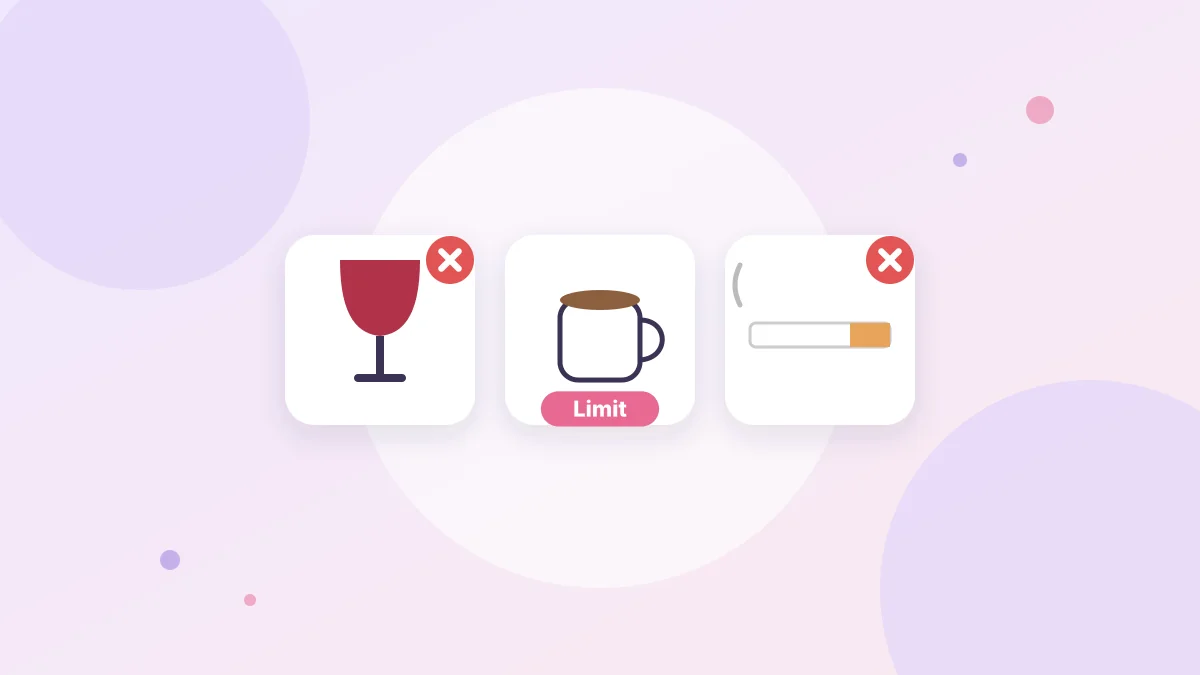
Smoking is the lifestyle factor with the clearest harm.
- It lowers fertility in women and men, reduces egg and sperm quality and can bring menopause earlier
- It raises the risk of miscarriage, ectopic pregnancy, premature birth, low birth weight and cot death
- It lowers the success of IVF
- Secondhand smoke also matters
Stopping helps. Ask your GP or local stop smoking service for support, which doubles or triples your chance of quitting. Vaping is less harmful than smoking, but is not risk-free, and the safest course for pregnancy is nicotine-free. Speak to a professional if you need nicotine replacement.
Alcohol
- Heavy drinking can reduce fertility in both men and women, lower sperm quality and disrupt ovulation
- UK guidelines advise that if you are trying to get pregnant, the safest approach is not to drink alcohol at all, because you may be pregnant before you know it, and no safe level in pregnancy has been established
- For men, keeping to no more than 14 units a week is advised, and less is better
- Binge drinking is especially harmful
Caffeine
- Moderate caffeine seems unlikely to harm fertility
- In pregnancy, the NHS advises limiting caffeine to 200 mg a day, about two mugs of instant coffee, one to two cups of filter coffee or about four cups of tea, because high intake is linked to miscarriage and low birth weight
- Remember that caffeine is also in cola, energy drinks, chocolate and some medicines
Other things that matter
- Weight: being significantly under or over a healthy weight can affect ovulation and sperm quality
- Recreational drugs, including cannabis and anabolic steroids, can reduce fertility, and should be avoided
- Medicines: check with a pharmacist or doctor
- Folic acid and vitamin D: take 400 micrograms and 10 micrograms daily
- Exercise: moderate, regular activity is helpful, while extreme exercise can disrupt periods
- Stress and sleep: look after both
- Vaccinations and health checks: make sure you are up to date, including rubella and whooping cough in pregnancy
What to do
Make changes together if you can. You do not need to be perfect, but each positive step helps. If you struggle with alcohol, drugs or smoking, ask for help early.
Frequently asked questions
Can I have one drink?
It is safest to avoid alcohol when trying to conceive, but one drink before you know you are pregnant is unlikely to cause harm.
Does caffeine delay pregnancy?
Moderate amounts do not seem to.
How long before conceiving should I stop smoking?
As soon as possible. Benefits begin within weeks.
Sources: NHS guidance on trying for a baby, UK Chief Medical Officers' alcohol guidelines, and NICE guideline NG156.
This article is for general information, not medical advice. If you're worried about your health, talk to a doctor or other clinician.