2 min read · Updated
Infertility is not only a medical problem. For many people it is one of the most stressful experiences of their lives. Feeling sad, angry, anxious, ashamed or alone is a normal response, and you deserve support.
What you might feel
- Grief, for the pregnancy and child you hoped for, and for each month without success
- Anxiety and uncertainty about tests, treatment and the future
- Low mood or depression, which is more common in people with fertility problems
- Guilt or blame, towards yourself or your partner
- Envy and isolation, especially around friends' pregnancies, baby showers and social media
- Anger at your body, at others or at the situation
- Strain on your relationship and on intimacy, which can feel scheduled or pressured
Looking after yourself
- Acknowledge your feelings, because they are valid and not a sign of weakness
- Talk to your partner, about what you each need, and take care to listen without blaming
- Talk to someone you trust, or join a support group, in person or online. Organisations such as Fertility Network UK offer support
- Set boundaries. You can avoid events that are too painful, and you do not have to answer questions about when you will have a baby
- Take breaks from trying and from treatment, if you need them
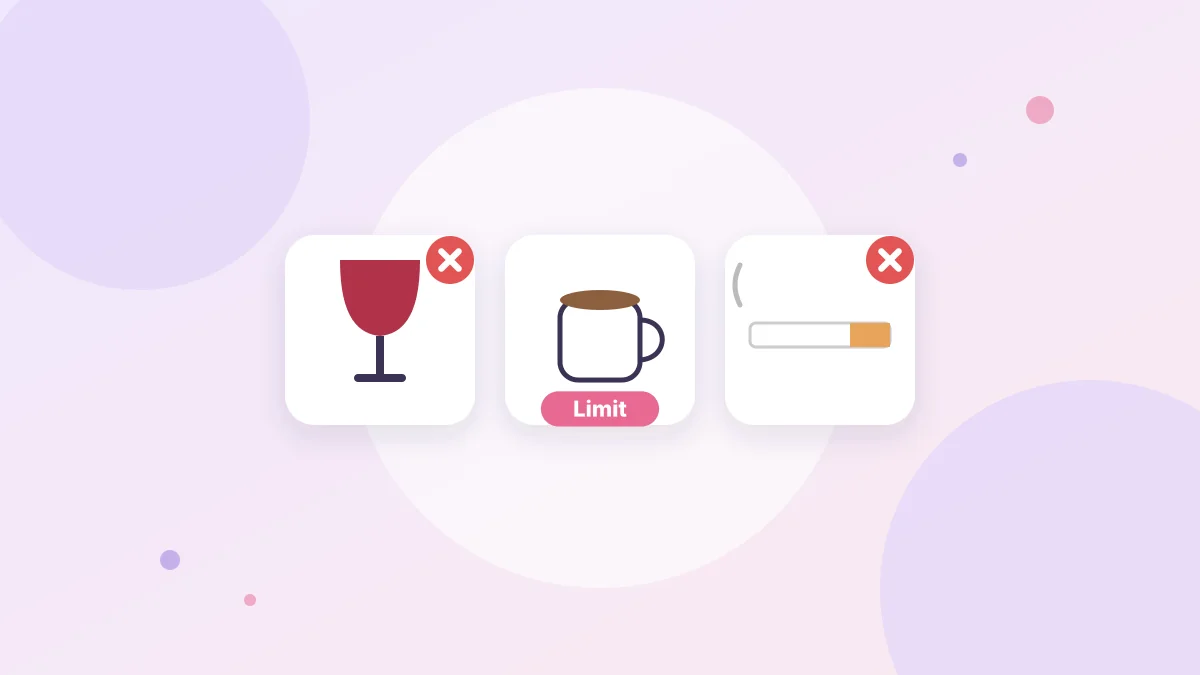
- Look after your body and sleep, with regular exercise, healthy meals and relaxation
- Do things that bring you joy and that are not about fertility
- Limit time spent on forums and social media if it makes you feel worse
Professional help
Counselling is widely recommended, and UK clinics must offer it. A therapist who understands infertility can help with grief, stress and decision-making. Cognitive behavioural therapy and mindfulness have helped many people. See your GP if you feel low most days, have lost interest in things, or have thoughts of harming yourself.
Making decisions
You may face difficult choices about how far to go, how many treatment cycles to try, using donors, adoption, or living without children. There is no right answer, and you can take time. Talking with a counsellor can help you weigh options and find a path you can live with.
Does stress cause infertility?
Stress can affect wellbeing, sleep and sex, but there is no strong evidence that everyday stress is a direct cause of infertility. Being told to "relax" is unhelpful and can add guilt. Managing stress is worthwhile for your own sake.
Frequently asked questions
Is it normal to feel jealous of friends who are pregnant?
Yes. Many people do, and it does not make you a bad person.
How do we cope as a couple?
Keep talking, make time that is not about babies, and consider couples counselling.
Where can I find support?
Your clinic, your GP, Fertility Network UK, and peer support groups.
Sources: NHS guidance on infertility and mental health, NICE guideline NG156, and Fertility Network UK.
This article is for general information, not medical advice. If you're worried about your health, talk to a doctor or other clinician.