2 min read · Updated
Fertility supplements are a big market, and it is easy to feel you should be taking everything. The evidence is mixed, and most people need very few.
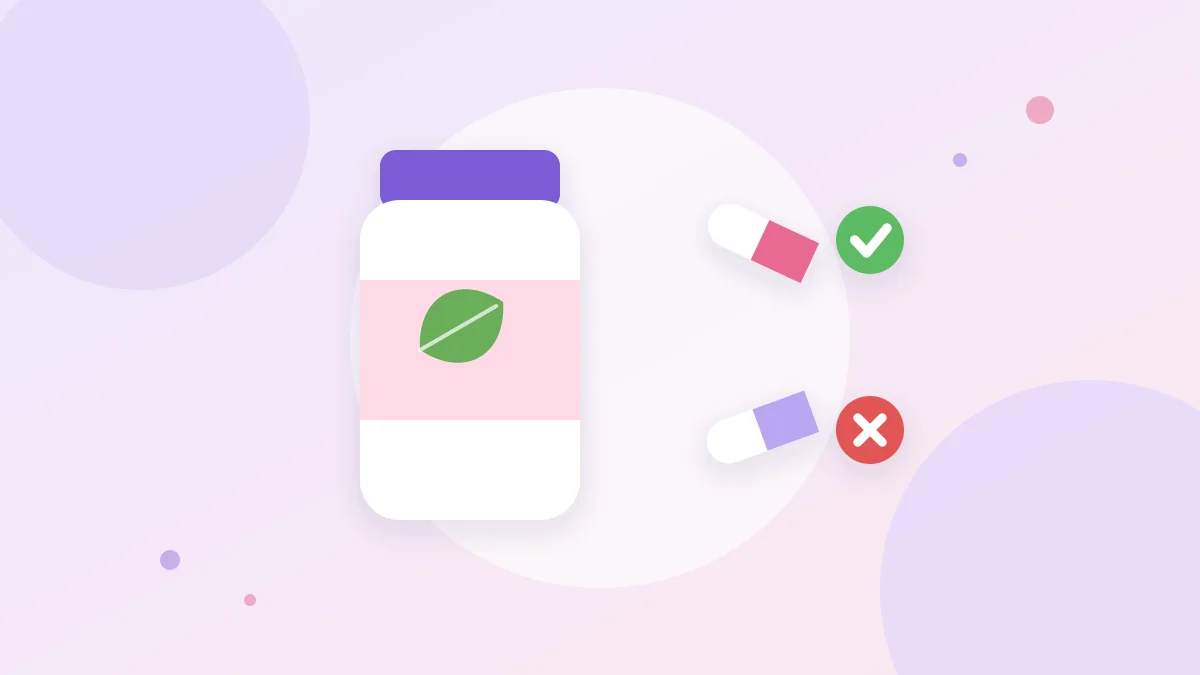
What is recommended
- Folic acid, 400 micrograms a day, from before you conceive until 12 weeks of pregnancy, to reduce the risk of neural tube defects such as spina bifida. Some people need a higher dose, such as if you have diabetes, epilepsy, a BMI over 30 or have had a baby with a neural tube defect, so ask your doctor
- Vitamin D, 10 micrograms a day, recommended for everyone in the UK in autumn and winter, and for pregnant people all year round
These are the only supplements routinely advised, and are widely available over the counter. Many "pregnancy" multivitamins include both, but check the label.
What to avoid
- Vitamin A (retinol) in high doses: more than 1.5 mg a day can harm a baby. Avoid fish liver oils and some supplements
- Excess iron or high-dose single vitamins, unless prescribed
- Herbal remedies: many have not been tested for safety in pregnancy
- Anything promising "miracle" results
Supplements with some evidence
- Myo-inositol: may help improve ovulation and insulin resistance in people with polycystic ovary syndrome, though research is still limited
- Coenzyme Q10 (CoQ10): early studies suggest a possible benefit for egg quality and sperm in some groups, but evidence is not strong enough for routine recommendation
- Antioxidants (vitamins C and E, zinc, selenium): for male fertility, results are mixed, and some studies show little benefit
- Omega-3 fatty acids, found in oily fish, are part of a healthy diet, though supplements are unproven for fertility
Food first
A balanced, Mediterranean-style diet, with vegetables, fruit, wholegrains, pulses, fish, nuts and olive oil, is associated with better fertility. See our article on fertility diet. Supplements cannot replace a healthy diet.
Check with a professional
Talk to your doctor or pharmacist before starting any supplement, particularly if you have a medical condition, take medicines or are having fertility treatment, because some can interfere with drugs.
Frequently asked questions
Do I need a special fertility vitamin?
No. Folic acid and vitamin D are enough for most people.
Are supplements safe for men?
Most are fine, but unproven. Avoid anabolic steroids and testosterone products, which reduce sperm production.
What about "egg quality" supplements?
Evidence is limited, so be cautious about costs and claims.
Sources: NHS guidance on vitamins and supplements in pregnancy, NICE guideline NG156, and the Human Fertilisation and Embryology Authority add-ons ratings.
This article is for general information, not medical advice. If you're worried about your health, talk to a doctor or other clinician.