1 min read · Updated
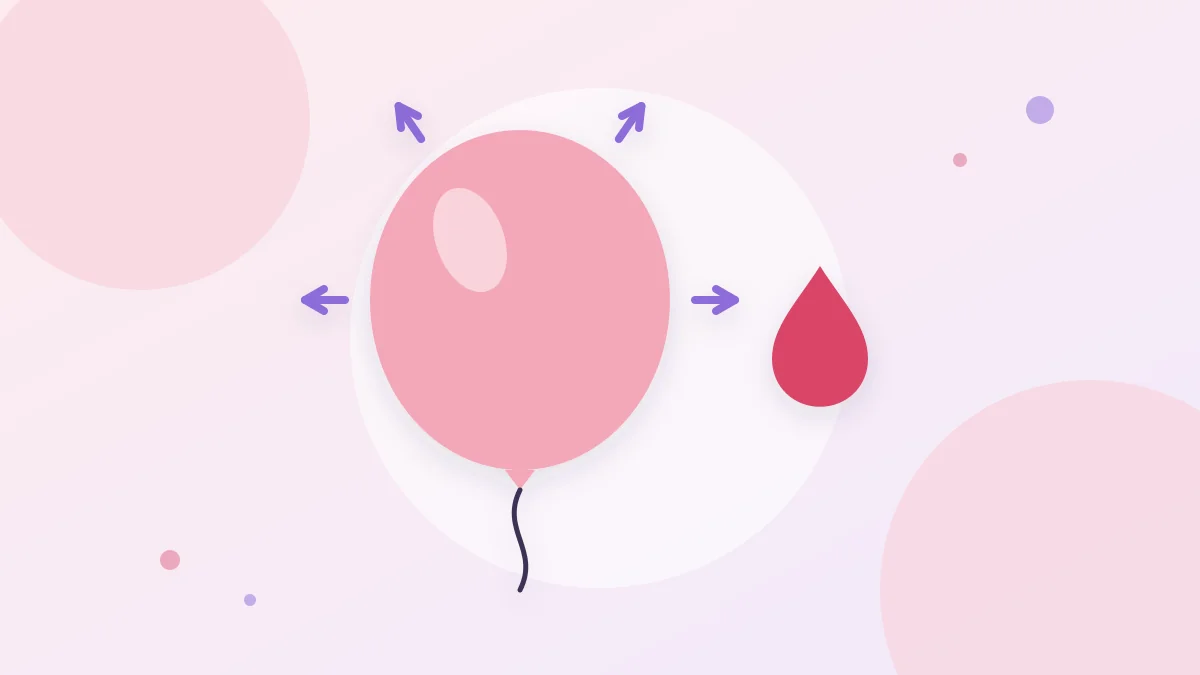
Feeling puffy and bloated in the days before your period is one of the most common premenstrual symptoms.
Why it happens
After ovulation, rising and falling hormones change how your body holds on to water and salt, and they slow digestion. Progesterone relaxes gut muscles, which can lead to gas and constipation. This all usually fades a few days into your period.
What can help
- Cut back on salt and heavily processed foods, which make you retain water.
- Drink water. It sounds backwards, but staying hydrated helps reduce retention.
- Eat fibre from fruit, vegetables and whole grains, and spread meals through the day.
- Move. A daily walk or light exercise keeps your gut moving.
- Limit fizzy drinks, alcohol and excess caffeine, which can add to gas.
- Wear comfortable clothing while it lasts.
Is it something else?
Bloating that does not settle after your period, grows steadily, comes with pain, changes in bowel habits, early fullness or weight loss should be checked, as these can point to conditions such as endometriosis, IBS or, rarely, ovarian problems.
If premenstrual symptoms cause real difficulty each month, treatments exist, so speak to a doctor. Tracking which days you feel bloated in Masik helps you see the pattern.
Frequently asked questions
How long does period bloating last?
Usually until a few days into your period.
Does cutting salt help?
Yes, many people find less salt reduces fluid retention.
This article is for general information, not medical advice. If you're worried about your health, talk to a doctor or other clinician.