3 min read · Updated
Period cramps are the most common period symptom, affecting up to 9 in 10 people at some point. For some they are a mild nuisance, and for others they disrupt work, study and sleep. This guide explains why cramps happen, what really helps, and when pain is a sign that something else is going on.
What causes period cramps?
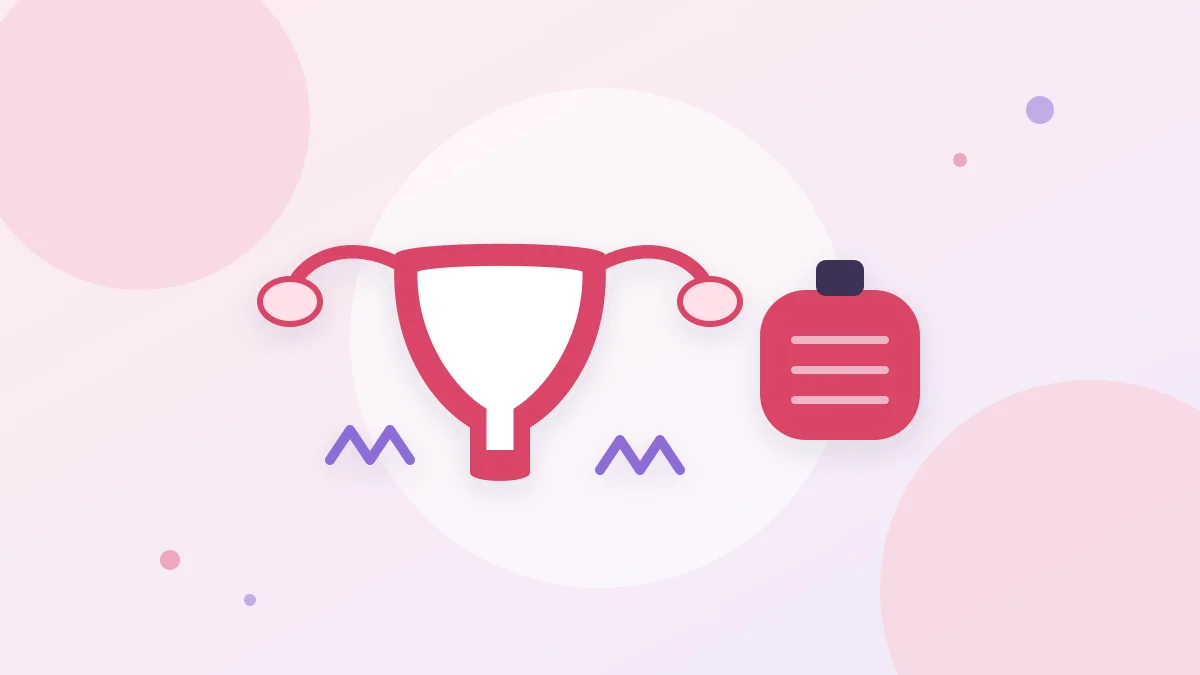
Cramps, medically called dysmenorrhea, are caused by prostaglandins. These hormone-like substances are released from the uterine lining as it breaks down. Prostaglandins make the uterine muscle contract to push out the lining. They can also narrow blood vessels, briefly reducing oxygen to the muscle, which adds to the pain. The higher your prostaglandin levels, the stronger the cramps tend to be.
Prostaglandins also reach the gut and bloodstream, which is why cramps can come with nausea, diarrhoea, headaches or dizziness.
What do normal cramps feel like?
- A throbbing or cramping pain in the lower belly
- Pain that radiates to the lower back or thighs
- Starting a day or two before bleeding, or at its start
- Peaking in the first one to three days
- Easing as bleeding lightens
Primary and secondary dysmenorrhea
- Primary dysmenorrhea is common period pain with no underlying disease. It usually begins in the teens, and often eases with age and after childbirth.
- Secondary dysmenorrhea is pain caused by a condition such as endometriosis, adenomyosis, fibroids, pelvic inflammatory disease or an IUD. It tends to start later, worsen over time, last longer, or occur outside your period.
What relieves cramps?
Medicines
- Anti-inflammatory painkillers such as ibuprofen or naproxen block prostaglandin production, so they work best when taken at the first sign of pain, or even just before your period. Take with food, and avoid them if you have asthma triggered by aspirin, kidney problems or stomach ulcers.
- Paracetamol (acetaminophen) is another option, though it is usually less effective for cramps.
- Hormonal contraception, such as the pill, hormonal IUD or implant, reduces prostaglandins by thinning the lining, and often eases cramps over time.
Self-care
- Heat. A hot water bottle, heat patch or warm bath relaxes the uterine muscle, and is about as effective as a mild painkiller for many people.
- Movement. Gentle exercise such as walking, stretching or yoga releases endorphins and improves blood flow.
- TENS devices use mild electrical pulses and can reduce pain for some.
- Massage and relaxation may help.
- Good sleep and hydration.
Diet and supplements
Evidence is modest. Some studies suggest that omega-3 fatty acids, magnesium, vitamin B1, vitamin E and ginger may reduce period pain for some people. Discuss supplements with a doctor or pharmacist first.
When cramps are not normal
See a doctor if:
- Pain stops you doing normal daily activities, or you miss school or work
- Cramps are getting worse, or have changed
- Painkillers do not help
- Pain occurs outside your period, or during sex, bowel movements or urination
- You have very heavy bleeding or large clots
- You have fever, unusual discharge or a foul smell
- Your pain began suddenly after age 25
Could it be endometriosis?
Endometriosis often causes severe, progressive period pain, pain at other times of the month, pain with sex, and bowel or bladder symptoms. Diagnosis takes several years on average, so do not hesitate to ask your doctor. Keeping a pain diary in Masik gives your doctor valuable information.
Cramps and pregnancy
Mild cramping can occur in early pregnancy, and it is also common before a period. If you could be pregnant and have severe or one-sided pain, or heavy bleeding, seek urgent medical help.
Frequently asked questions
Why are my cramps getting worse?
They can worsen with conditions such as endometriosis, adenomyosis or fibroids, so mention changes to your doctor.
Do cramps mean I am fertile?
No. Cramps do not indicate how fertile you are.
Does exercise really help cramps?
Yes. Regular exercise is linked to milder period pain for many people.
Can I take ibuprofen every month?
For most people it is fine used as directed, but speak to a doctor if you need it often.
Why do I feel sick with cramps?
Prostaglandins affect the gut as well as the uterus, causing nausea or loose stools.
Use Masik to rate your pain and see which treatments work for you.
This article is for general information, not medical advice. If you're worried about your health, talk to a doctor or other clinician.