2 min read · Updated
Many people have children in their 40s, and it can be a positive choice, but fertility does decline with age, mainly because of lower egg numbers and quality. Understanding the facts helps you plan.
What changes with age
- Egg numbers fall, particularly after 35
- Egg quality declines, and more eggs have chromosome changes, which makes it harder to conceive and increases the chance of miscarriage
- Ovulation can become irregular, as perimenopause approaches
- Other conditions, such as fibroids or endometriosis, are more common
- Sperm quality also changes with age, though more slowly
The chances of getting pregnant
For healthy couples trying naturally, roughly:
- About 8 in 10 will conceive within a year in their early 30s
- Fewer, around 5 to 6 in 10, within a year in their late 30s
- Lower still in their 40s. The chance per cycle by age 40 is about 5 percent or less, and declines further after that
These are averages, and individuals vary. Miscarriage risk rises too, from about 1 in 5 in the 30s to about 1 in 3 or more at 40 and higher after.
When to seek help
If you are 35 or over, see your doctor after 6 months of trying, rather than a year. If you are over 40, ask for help as soon as you start trying, and consider seeing a fertility specialist early.
Fertility treatment in your 40s
- IUI has lower success rates over 40
- IVF with your own eggs: live birth rates per cycle fall with age. In the UK, figures from the HFEA show around 1 in 10 per embryo transfer for ages 40 to 42, and fewer after 43
- IVF with donor eggs: success depends on the donor's age, with much higher rates than own-egg IVF at this age
- NHS funding rules often have upper age limits, usually 40 or 42 in some areas, so check your local policy
Pregnancy over 40
A pregnancy after 40 has a higher chance of complications, such as gestational diabetes, high blood pressure, premature birth, caesarean birth and chromosome conditions. Most people have healthy pregnancies, but extra monitoring and screening may be offered. See our articles on antenatal screening and preconception.
Looking after yourself
- Take 400 micrograms of folic acid daily, and vitamin D
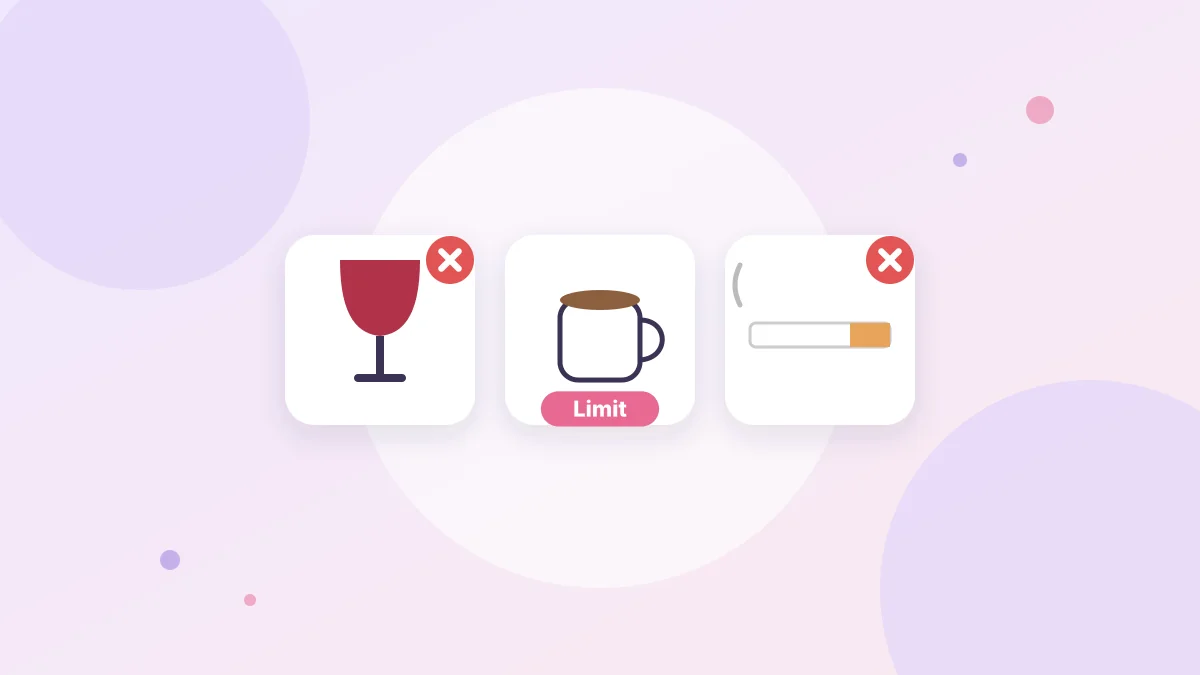
- Avoid smoking and limit alcohol
- Stay active and keep a healthy weight
- Manage long-term conditions
- Seek emotional support. Waiting, testing and uncertainty can be stressful
Frequently asked questions
Is it too late to try after 40?
No, but time matters, so seek advice early.
Do egg-boosting supplements work?
There is no strong evidence they improve egg quality, though folic acid and vitamin D are recommended.
Should I freeze my eggs?
Eggs frozen at a younger age give the best chances. See our article on egg freezing.
Sources: NHS guidance on age and fertility, NICE guideline NG156, and the Human Fertilisation and Embryology Authority.
This article is for general information, not medical advice. If you're worried about your health, talk to a doctor or other clinician.