1 min read · Updated
Does diet affect fertility?
No food guarantees pregnancy, but overall eating patterns are linked with ovulation and sperm quality. A balanced, Mediterranean-style diet has the strongest evidence.
What to eat more of
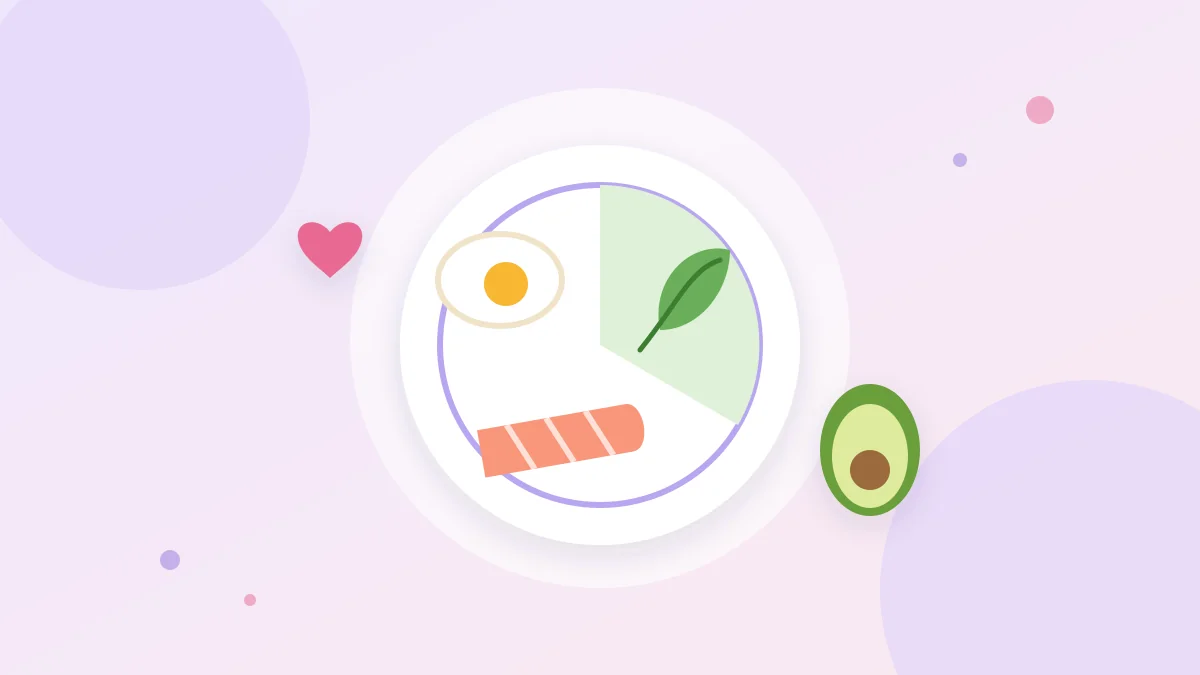
- Vegetables, fruit and whole grains, rich in antioxidants and fibre
- Folate-rich foods such as leafy greens, lentils and beans
- Healthy fats: olive oil, nuts, seeds, avocado and oily fish
- Plant proteins such as beans and lentils
- Iron-rich foods, which are linked to better ovulation in some research
- Dairy or fortified alternatives for calcium
- Water
What to limit
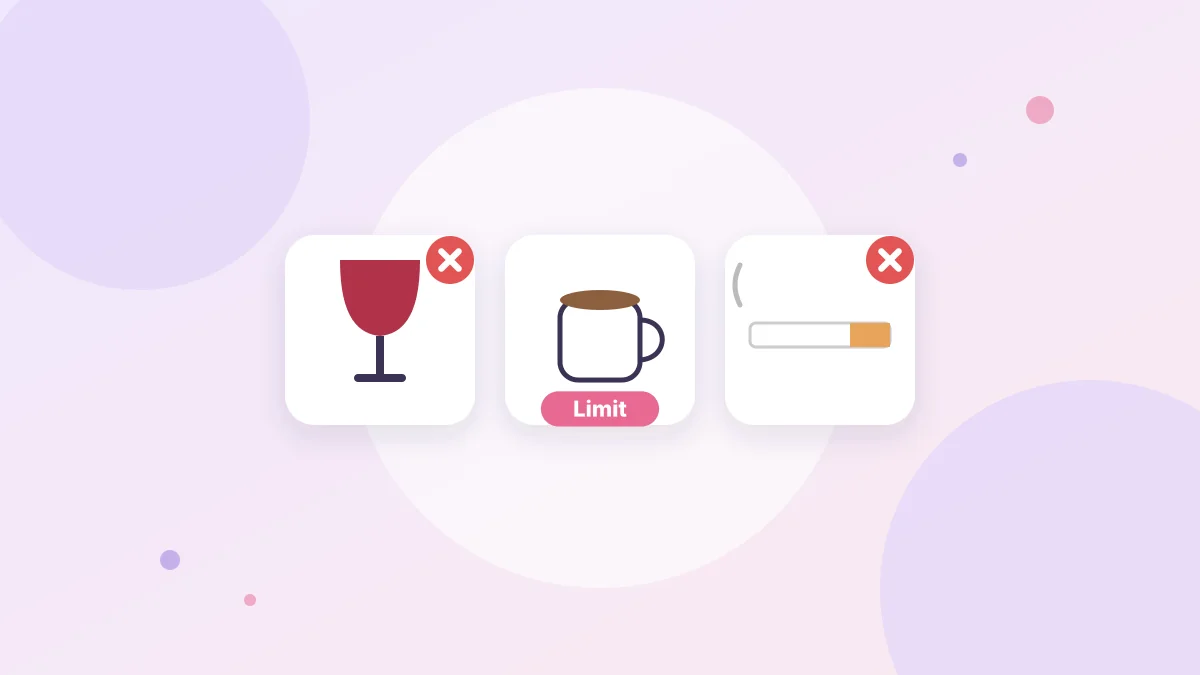
- Alcohol: safest to avoid if you are trying to conceive
- Caffeine: no more than about 200 mg a day
- Highly processed foods and sugary drinks
- Trans fats
- High-mercury fish
Weight and fertility
Being significantly under or overweight can disrupt ovulation. If you have PCOS, even modest weight loss can help. For men, a healthy weight supports sperm quality.
Supplements
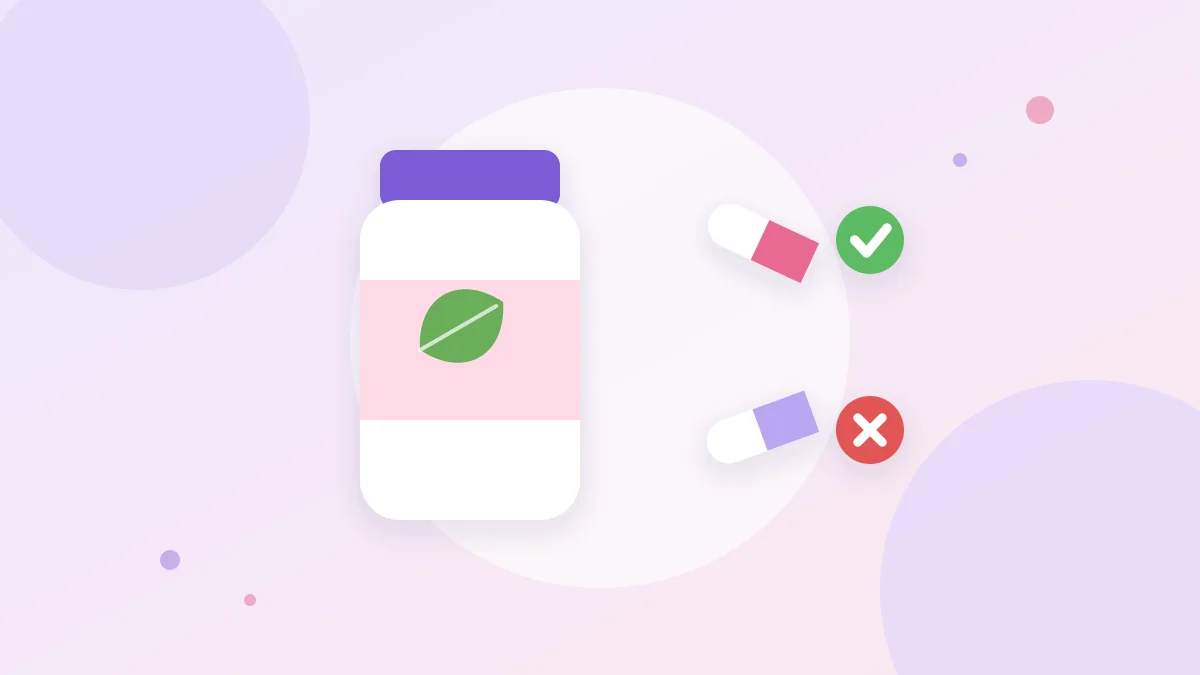
- Folic acid, 400 micrograms daily, for all trying to conceive
- Vitamin D if advised
- Other supplements only on medical advice
Frequently asked questions
Do I need to eat differently for my cycle?
No. Eat a balanced diet throughout.
Does a vegetarian diet affect fertility?
Not if it is well planned, with enough iron, B12 and protein.
This article is for general information, not medical advice. If you're worried about your health, talk to a doctor or other clinician.