3 min read · Updated
When you decide to try for a baby, you may hope for a positive test straight away. For most people it takes a few months, and that is normal. This guide explains how long conceiving typically takes, what affects your chances, and when to look for help.
How long does it usually take?
For couples who are healthy and have regular, unprotected sex:
- About 3 in 10 conceive in the first month
- About 6 in 10 within three months
- Around 8 in 10 within six months
- Most, roughly 8 in 10 or more, within a year
- About 95 in 100 within two years
So the chance of pregnancy in any single cycle is around 25 to 30 percent in your 20s and early 30s (ACOG), falling to under 10 percent per cycle by age 40. Many people take longer than expected, and that does not mean there is a problem.
How age affects the timeline
- Under 30: about 25 to 30 percent chance per cycle
- 30 to 34: slightly lower, and most still conceive within a year
- 35 to 39: a gradual decline, with roughly 15 percent chance per cycle at 35 and lower afterwards
- 40 and over: about 5 percent or less chance per cycle, and a higher risk of miscarriage
Both egg quantity and quality decline with age. Sperm quality also changes, though more gradually.
Factors that affect how quickly you conceive
- Timing of sex. You are most likely to conceive if you have sex in the five days before ovulation and on ovulation day.
- Regular ovulation. Irregular cycles make timing harder.
- Sperm health. Smoking, heavy alcohol use, heat exposure, some medicines and being overweight can reduce sperm quality.
- Health conditions. PCOS, endometriosis, thyroid disease, fibroids, blocked tubes and some infections reduce fertility.
- Weight. Being underweight or overweight can disrupt ovulation.
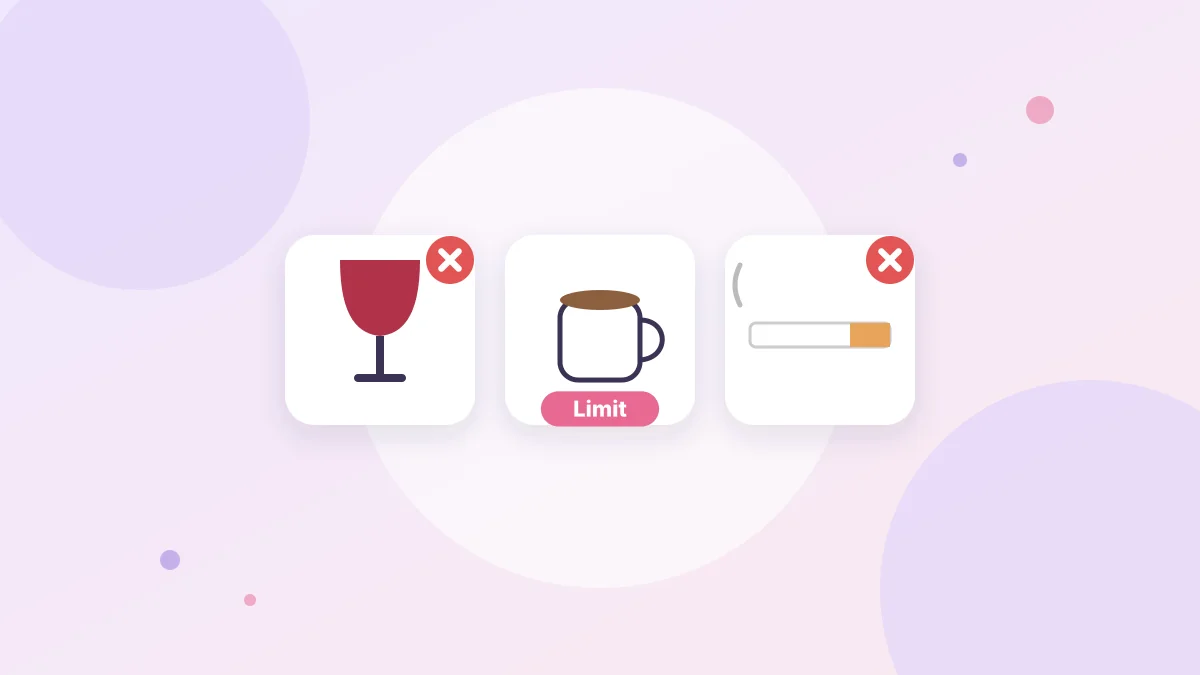
- Lifestyle. Smoking, heavy alcohol, recreational drugs and high caffeine intake lower fertility.
- Stress and sleep. Severe stress can disrupt ovulation, though everyday stress does not usually prevent pregnancy.
How to improve your chances
1. Track your cycle. Logging periods in Masik shows your fertile window.
2. Watch for ovulation signs. Clear, stretchy cervical mucus or a positive ovulation test.
3. Have sex every one to two days in the fertile window. Daily sex is fine, but not necessary.
4. Take folic acid, 400 micrograms daily, before and during early pregnancy.
5. Stop smoking, limit alcohol, and cut down on caffeine.
6. Aim for a healthy weight, and eat a balanced diet.
7. Keep active without extreme training.
8. Both partners should look after their health.
Myths to skip
- Sex positions do not significantly change your chances
- Lying with your legs up afterwards does not help
- You do not need to stop exercising
- Fertility supplements are rarely proven
When to see a doctor
- Under 35: after 12 months of trying
- 35 to 39: after 6 months
- 40 and over: as soon as you start trying
- Sooner if you have very irregular or absent periods, known conditions such as endometriosis or PCOS, a history of pelvic infection, or previous cancer treatment, or your partner has known fertility concerns
A fertility check involves both partners, and usually includes blood tests, an ultrasound and a semen analysis.
Frequently asked questions
Is it normal to take a year to get pregnant?
Yes, around 1 in 8 healthy couples take longer than a year, though most go on to conceive.
Does stopping the pill delay pregnancy?
Not much. Ovulation often returns within one to three cycles, though some people take a little longer.
Can I get pregnant on the first try?
Yes, about 3 in 10 couples do within the first month.
Does having sex more often improve chances?
Every one to two days in the fertile window is ideal, more often does not help much.
How do I know when I am most fertile?
In the five days before ovulation and on ovulation day, shown by cervical mucus, ovulation tests and cycle tracking.
Track your cycles in Masik to see your fertile window each month.
This article is for general information, not medical advice. If you're worried about your health, talk to a doctor or other clinician.