1 min read · Updated
Realistic expectations
ACOG puts the chance at about 25 to 30 percent per cycle for healthy couples in their 20s and early 30s, so it often takes a few months. These steps help you make the most of each cycle.
10 tips
1. Track your cycle. Log periods in Masik to find your fertile window.
2. Have sex every one to two days in the five days before ovulation and on ovulation day.
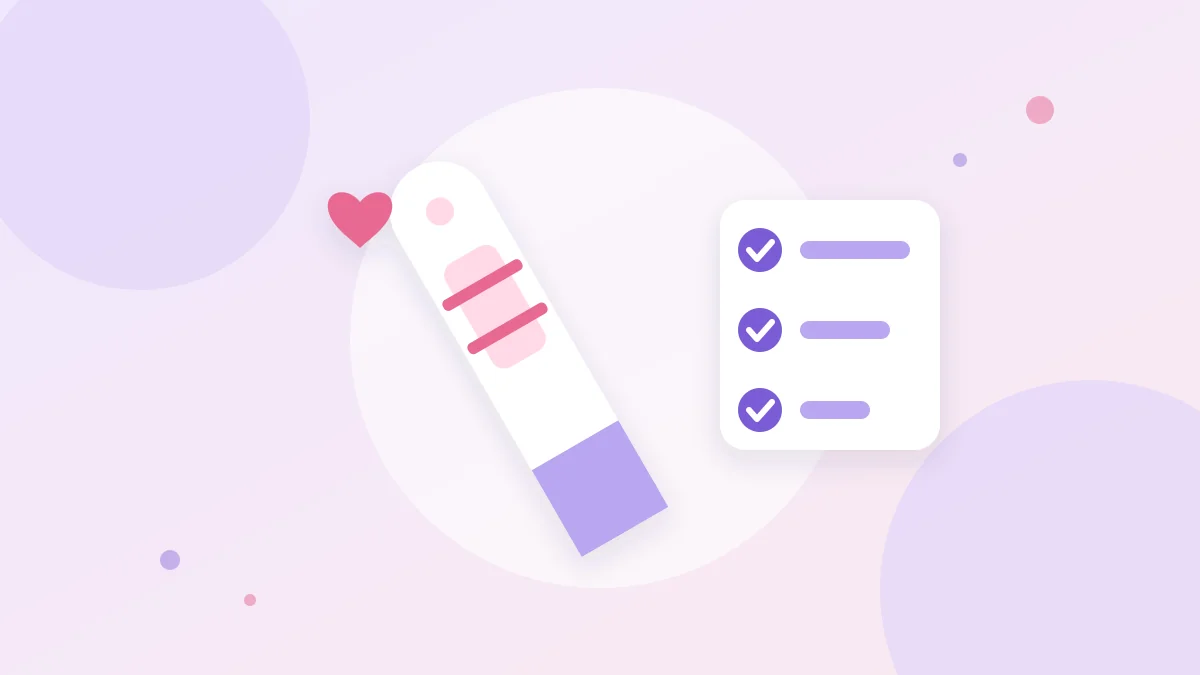
3. Watch for ovulation signs such as clear, stretchy mucus or a positive ovulation test.
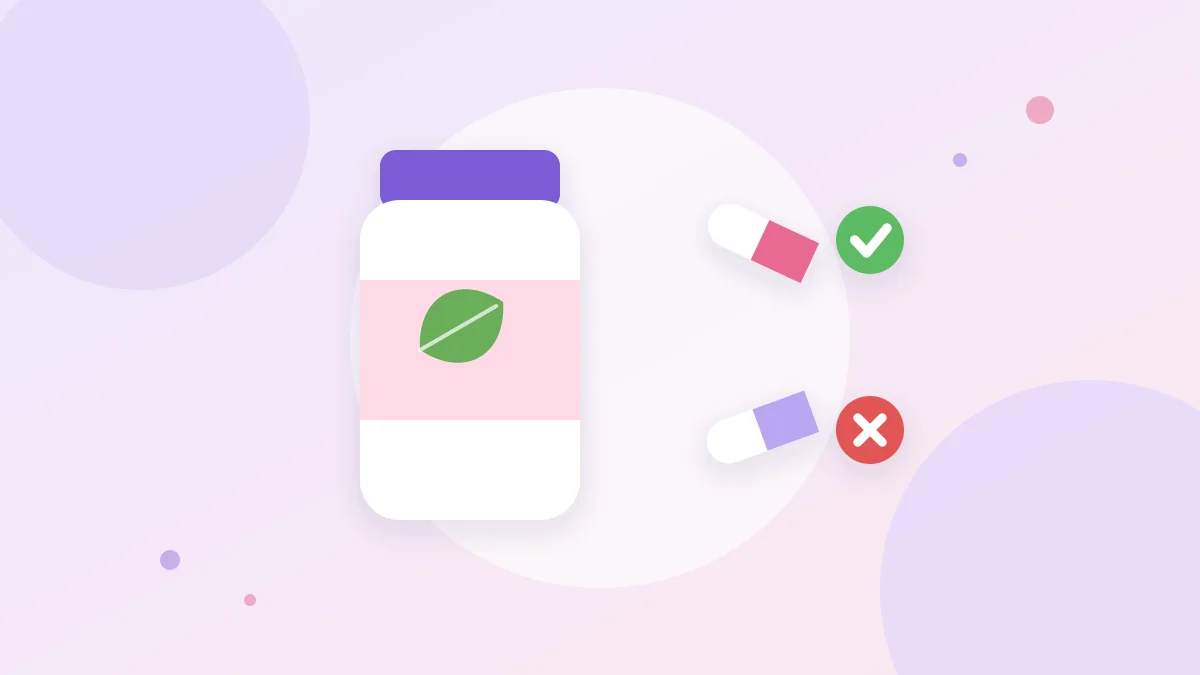
4. Take folic acid, 400 micrograms daily.
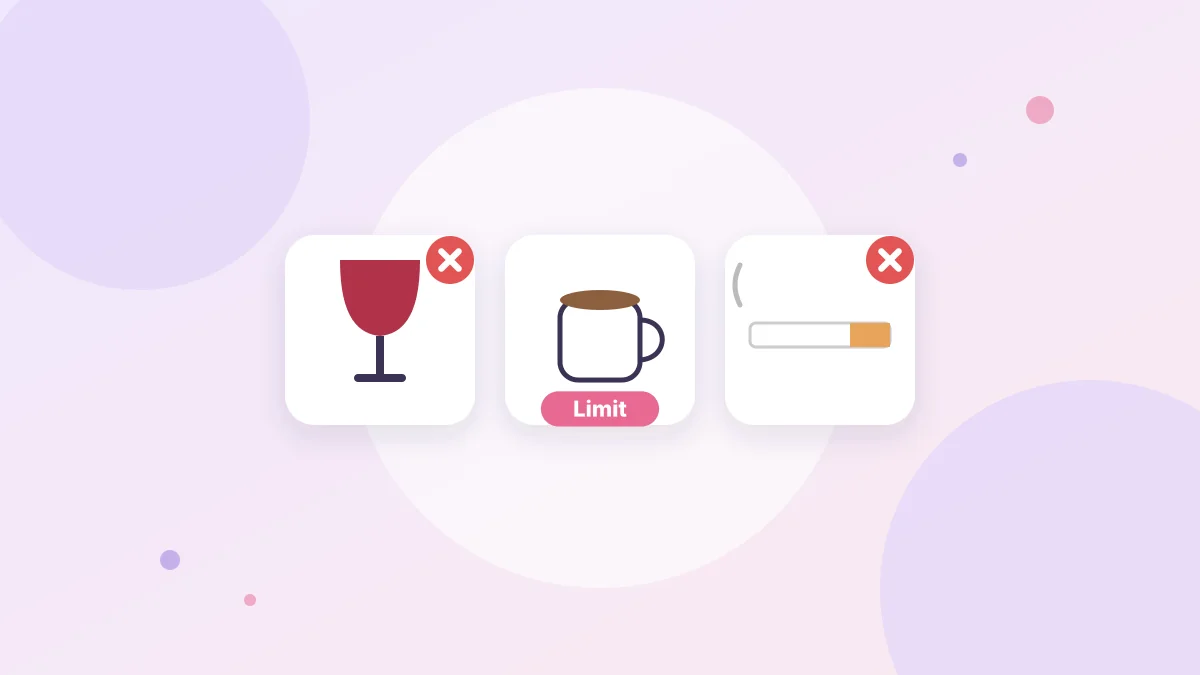
5. Stop smoking and avoid recreational drugs, for both partners.
6. Limit alcohol and caffeine.
7. Aim for a healthy weight through balanced meals and regular activity.
8. Manage stress and sleep well.
9. Use only fertility-friendly lubricants, if needed, since some can slow sperm.
10. See a doctor if you have concerns, especially if you are over 35 or have known conditions.
Myths to skip
- Sex position does not significantly change the odds
- Lying with your legs up afterwards does not help
- You do not need daily sex, which may increase stress
- Supplements marketed for fertility are rarely proven
When to get help
After 12 months, or six months if you are over 35, or sooner if you have irregular periods or a medical condition.
Frequently asked questions
Does age matter?
Yes, fertility declines gradually from the early thirties.
Should my partner be checked too?
Yes, since male factors are involved in many cases.
Can stress stop me conceiving?
Everyday stress is unlikely to, but severe stress can disrupt ovulation.
This article is for general information, not medical advice. If you're worried about your health, talk to a doctor or other clinician.