2 min read · Updated
Ovarian hyperstimulation syndrome (OHSS) is a possible complication of fertility treatment, in which the ovaries respond too strongly to the stimulating medicines. Most cases are mild, but severe OHSS is serious and needs urgent care, so it helps to know what to look out for.
What happens
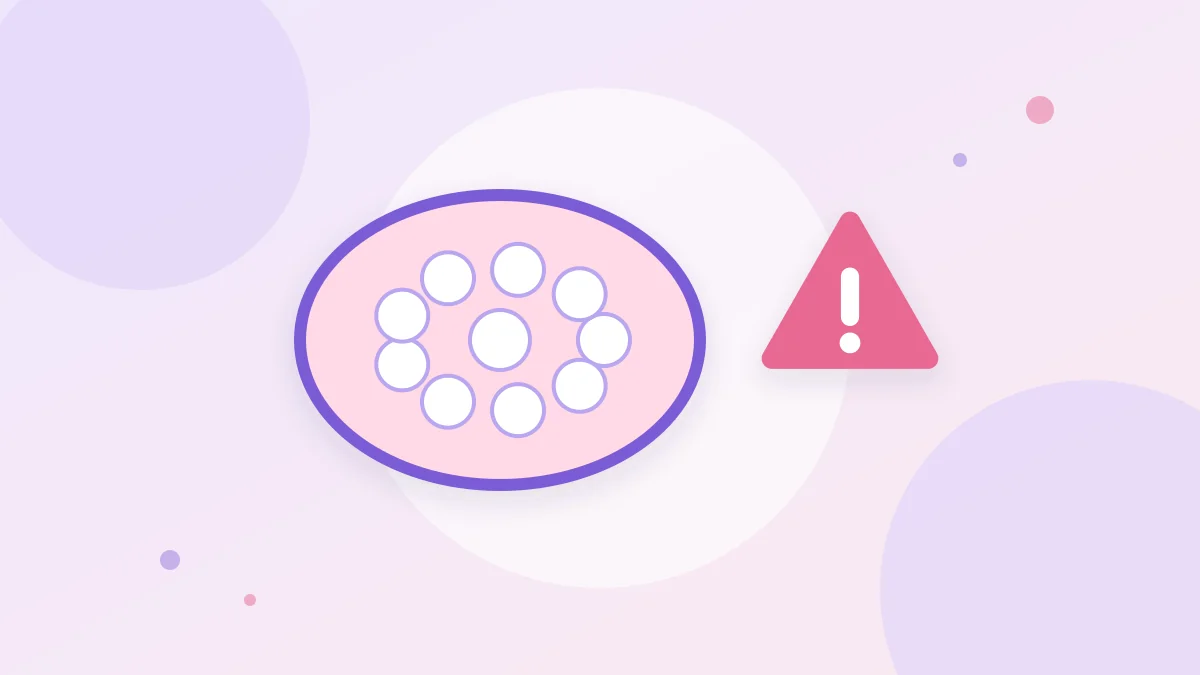
Fertility drugs stimulate the ovaries to produce several follicles. In OHSS, the ovaries become swollen and enlarged, and fluid leaks from blood vessels into the tummy and, in severe cases, the chest. It usually starts after egg collection or the trigger injection, and can be worse if you become pregnant, because the pregnancy hormone hCG keeps it going.
Who is at higher risk
- Younger age and low body weight
- Polycystic ovary syndrome or a high number of antral follicles
- High AMH
- A strong response to stimulation, with many follicles or very high oestrogen levels
- A previous episode of OHSS
Clinics monitor you closely and adjust treatment to reduce the risk, for example by using a different trigger injection or freezing all embryos.
Symptoms
Mild
- Bloating and mild abdominal discomfort
- Mild nausea
Moderate
- More significant tummy swelling and pain
- Nausea, vomiting and diarrhoea
- Weight gain of a few kilograms over a few days
Severe
- Rapid weight gain, more than about 2 kg in 24 hours
- Severe abdominal pain and a tight, swollen tummy
- Persistent vomiting
- Passing very little urine, or very dark urine
- Shortness of breath or chest pain
- Swelling of the face or legs
- Dizziness or fainting
- Pain, swelling or redness in one leg, which could mean a blood clot
What to do
- Contact your clinic straight away if you develop symptoms after egg collection, even if it is out of hours. They will have an emergency number
- Go to an emergency department if you have severe pain, trouble breathing, cannot keep fluids down, or are passing hardly any urine
Management
- Mild and moderate: rest, drinking plenty of fluids, painkillers such as paracetamol (avoid anti-inflammatories), and regular monitoring. Most settle within a week or two, or by your next period, and longer if you are pregnant
- Severe: admission to hospital for fluids, monitoring and medicines to prevent blood clots, and sometimes draining fluid from the tummy or chest
Most people recover fully, though OHSS can last longer if you become pregnant.
Frequently asked questions
Can OHSS harm my baby?
Mild OHSS does not usually affect the pregnancy, but severe OHSS needs careful care.
Can I prevent it?
Not entirely, but clinics reduce the risk with individual dosing and monitoring.
Will it happen again in a future cycle?
There is a higher risk, so your clinic will plan carefully.
Sources: NHS guidance on OHSS, and the Royal College of Obstetricians and Gynaecologists Green-top Guideline 5.
This article is for general information, not medical advice. If you're worried about your health, talk to a doctor or other clinician.