1 min read · Updated
Period cramps are caused by prostaglandins, chemicals that make the uterus contract to shed its lining. Higher levels mean stronger cramps. A few things reliably help.
Medicines
- Anti-inflammatory painkillers such as ibuprofen or naproxen work best when started at the first sign of pain, and block prostaglandins. Take with food, and check with a pharmacist if you have asthma, stomach or kidney problems.
- Paracetamol (acetaminophen) is an alternative if you cannot take anti-inflammatories.
- Hormonal contraception often reduces cramps over time by thinning the lining.
Without medicines
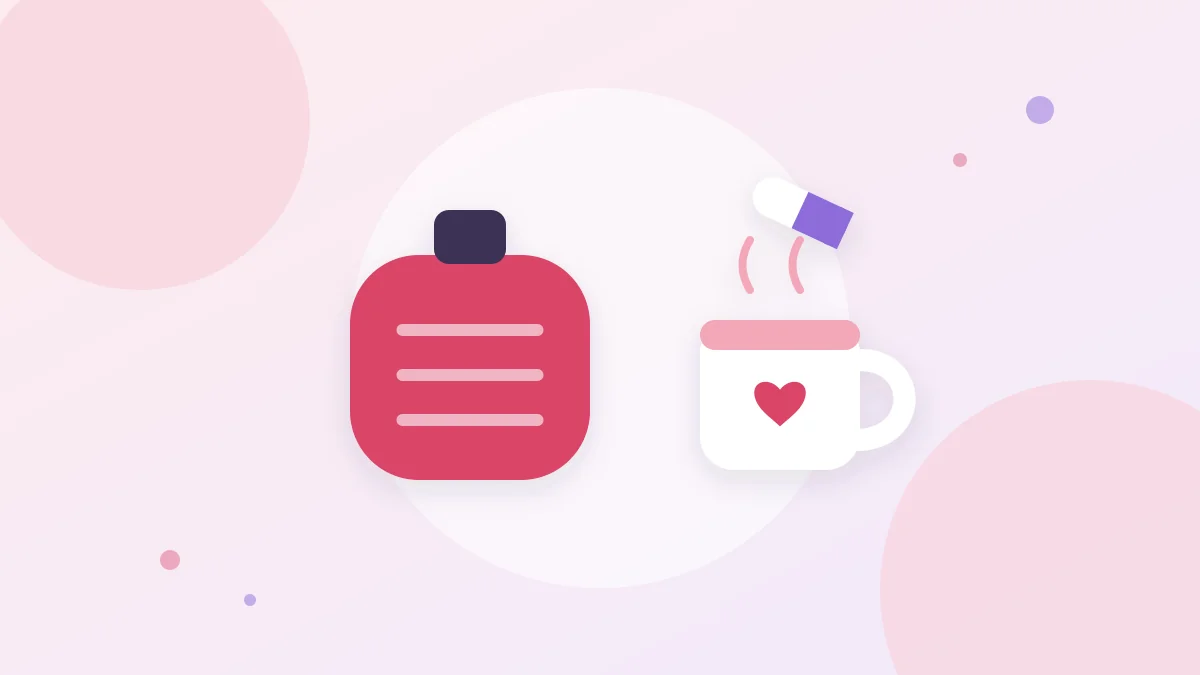
- Heat on your lower belly or back, such as a hot water bottle or warm bath, is about as effective as a mild painkiller for many people.
- Movement. Walking, stretching, yoga or other gentle exercise can ease pain.
- TENS devices deliver mild electrical pulses and help some people.
- Rest and relaxation, and a comfortable position, can help while pain peaks.
When pain is not normal
See a doctor if cramps stop you from doing normal things, get worse over time, do not respond to painkillers, or come with very heavy bleeding or pain during sex. These can be signs of endometriosis, adenomyosis or fibroids, which are treatable.
You deserve effective pain relief, and severe period pain is not something you have to just accept.
Frequently asked questions
How long before painkillers work?
Usually within 30 to 60 minutes, and they work best taken early.
Does a heat pad really help?
Yes, studies show heat can be as effective as some painkillers.
This article is for general information, not medical advice. If you're worried about your health, talk to a doctor or other clinician.