4 min read · Updated
Premenstrual syndrome (PMS) describes the cluster of physical and emotional changes that many people notice in the days before their period. Symptoms can be mild or disruptive, and they vary from cycle to cycle. This guide lists the most common PMS symptoms, explains why they happen, and covers what actually helps.
What is PMS?
PMS is a set of symptoms that appears in the luteal phase, the one to two weeks after ovulation, and eases within a few days after your period starts. Up to three in four people who menstruate experience at least some premenstrual symptoms, and around 1 in 5 have symptoms that interfere with daily life.
Why does PMS happen?
PMS is linked to the natural rise and fall of estrogen and progesterone after ovulation. The drop in hormones before a period affects brain chemicals such as serotonin, which influence mood, sleep and appetite. People differ in how sensitive they are to these shifts, which is why some barely notice them while others struggle.
Physical symptoms
- Bloating and a feeling of fullness
- Breast tenderness or swelling
- Headaches and migraines
- Cramps and lower backache
- Acne or oily skin
- Tiredness and difficulty sleeping
- Constipation or diarrhoea
- Food cravings and changes in appetite
- Joint and muscle aches
- Weight gain from fluid retention
Emotional and mental symptoms
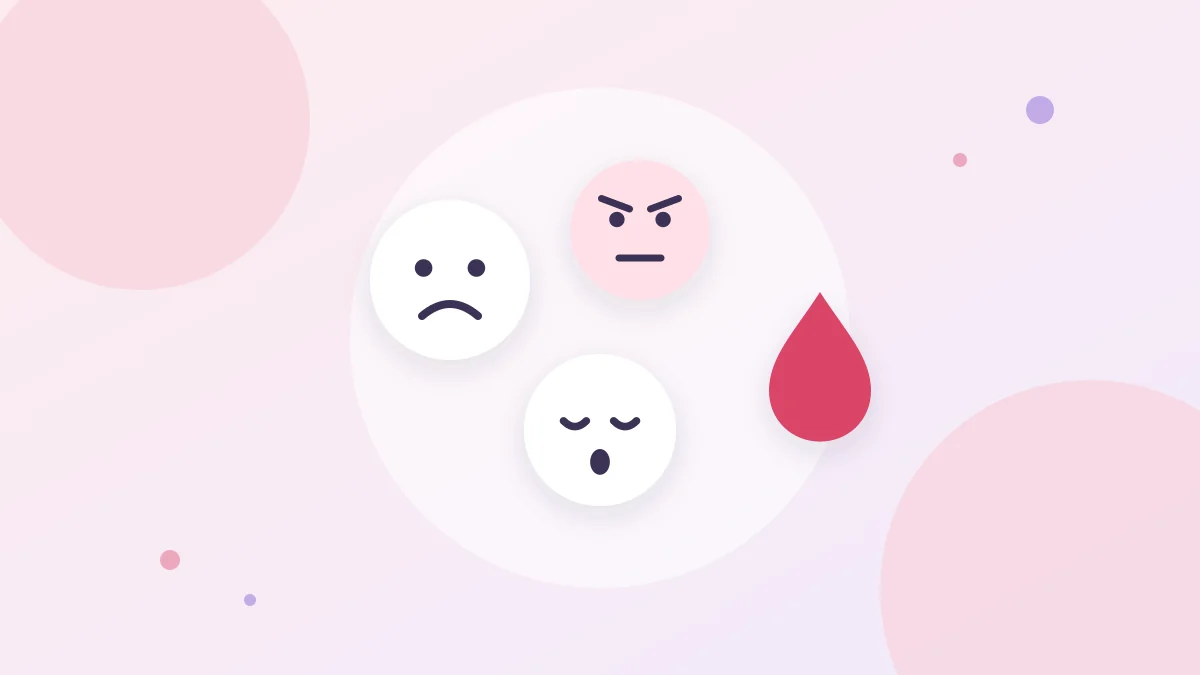
- Irritability and mood swings
- Feeling anxious, tense or on edge
- Low mood and tearfulness
- Trouble concentrating
- Feeling overwhelmed
- Reduced interest in usual activities
- Heightened sensitivity to criticism
What relieves PMS?
Lifestyle
- Exercise regularly. Aerobic activity eases mood symptoms, bloating and fatigue.
- Eat balanced meals. Complex carbohydrates, protein and fibre help stabilise mood and energy. Smaller, more frequent meals may help with cravings.
- Cut back on salt, caffeine and alcohol. They can worsen bloating, anxiety and sleep.
- Prioritise sleep. Regular times, a cool room and a wind-down routine.
- Manage stress. Breathing exercises, yoga, mindfulness or time outdoors.
Supplements with some evidence
- Calcium, around 1,000 to 1,200 mg a day in total, has shown benefit in some studies
- Vitamin B6, in modest doses (not above 100 mg a day, as very high doses can cause nerve damage)
- Magnesium for bloating and mood in some people
Check with a doctor or pharmacist before starting supplements.
Medical options
- Pain relief such as ibuprofen for cramps, headaches and aches
- Hormonal contraception, particularly some combined pills, which can reduce symptoms for many
- SSRI antidepressants, which can be taken daily or only in the luteal phase, for more severe symptoms
- Talking therapy, such as cognitive behavioural therapy, for mood symptoms
- Diuretics occasionally, for severe fluid retention
Tracking PMS
Daily tracking is the best way to confirm PMS. Symptoms should appear in the luteal phase and lift soon after your period starts. Log your mood, energy, physical symptoms and sleep in Masik across two or three cycles, and you will see exactly when they start and how long they last. This also makes it easier to prepare, for example by planning lighter days or exercising more beforehand.
PMS or PMDD?
Premenstrual dysphoric disorder (PMDD) is a severe form of PMS affecting about 5 in 100 people according to ACOG (studies range from roughly 2 to 6 percent). It involves marked mood symptoms such as intense sadness, anger, anxiety, or feeling out of control, that significantly disrupt work, relationships or daily life. If your symptoms are severe, or you have thoughts of harming yourself, speak to a doctor straight away. Effective treatments exist.
When to see a doctor
- Symptoms that interfere with work, study or relationships
- Severe mood symptoms or thoughts of self-harm
- Symptoms that do not ease after your period
- Very heavy bleeding or severe pain
- Symptoms that start or change suddenly
Frequently asked questions
How long before my period does PMS start?
Typically 5 to 11 days before, though it can begin earlier.
Can PMS happen without a period?
Not usually, because it follows ovulation, but conditions after a hysterectomy with the ovaries still present can cause similar symptoms.
Does PMS get worse with age?
For some people it worsens in their 30s and 40s, particularly in perimenopause.
Is PMS a real condition?
Yes. It is a recognised medical condition with clear links to hormonal changes.
Can diet cure PMS?
No single diet does, but regular balanced meals, less caffeine and salt, and staying active can reduce symptoms.
Use Masik to track your symptoms and see how your cycle shapes them.
This article is for general information, not medical advice. If you're worried about your health, talk to a doctor or other clinician.