3 min read · Updated
The two-week wait (TWW) is the time between ovulation, or a fertility treatment such as IUI or embryo transfer, and the day you can take a reliable pregnancy test. It can feel like the longest fortnight of your life. This guide explains what is going on in your body, which symptoms mean little, when to test, and how to cope.
What happens during the two-week wait?
- Day 0 (ovulation): the egg is released, and survives for 12 to 24 hours.
- Day 1 to 2: if sperm are present, fertilisation takes place in the fallopian tube.
- Day 3 to 5: the fertilised egg divides as it travels to the uterus.
- Day 6 to 10: implantation, when the embryo attaches to the uterine lining.
- Day 10 to 14: the embryo produces hCG, the pregnancy hormone, which rises quickly.
- Day 14: your period is due, or a test becomes reliable.
After IVF, a day 5 embryo transfer places an embryo that implants within a day or two, so the wait is a little shorter, and testing is usually done about nine to ten days after transfer.
Symptoms during the two-week wait
Many early pregnancy signs and premenstrual signs are the same, which is why symptom-spotting is so unreliable. They are caused by progesterone, which rises after ovulation whether or not you are pregnant.
- Breast tenderness
- Mild cramps or twinges
- Tiredness
- Bloating
- Mood swings
- Light spotting around days 6 to 12 (implantation) or before your period
- Nausea, in some people
- A raised basal body temperature
Neither the presence nor the absence of symptoms tells you whether you are pregnant. Progesterone medicines used in fertility treatment can cause similar symptoms.
When to test
- Naturally: the first day of your missed period, or 14 days after ovulation, for the most reliable result
- After IUI: about 14 days later
- After IVF: your clinic will give a test date, often 9 to 14 days after transfer, with a blood test
Early testing risks
Testing before a reliable result can lead to false negatives, and after fertility treatment, a trigger injection with hCG can cause a false positive for up to two weeks. Many people find it less stressful to wait for the test date.
How to cope with the wait
- Keep busy. Plan activities, exercise, or time with friends.
- Be kind to yourself. There is nothing you can do to affect the result, and nothing you did caused it.
- Limit symptom-spotting and internet forums, which can raise anxiety.
- Talk to someone. Share your feelings with your partner, a friend or a counsellor.
- Look after your body. Eat well, get sleep, and continue gentle exercise.
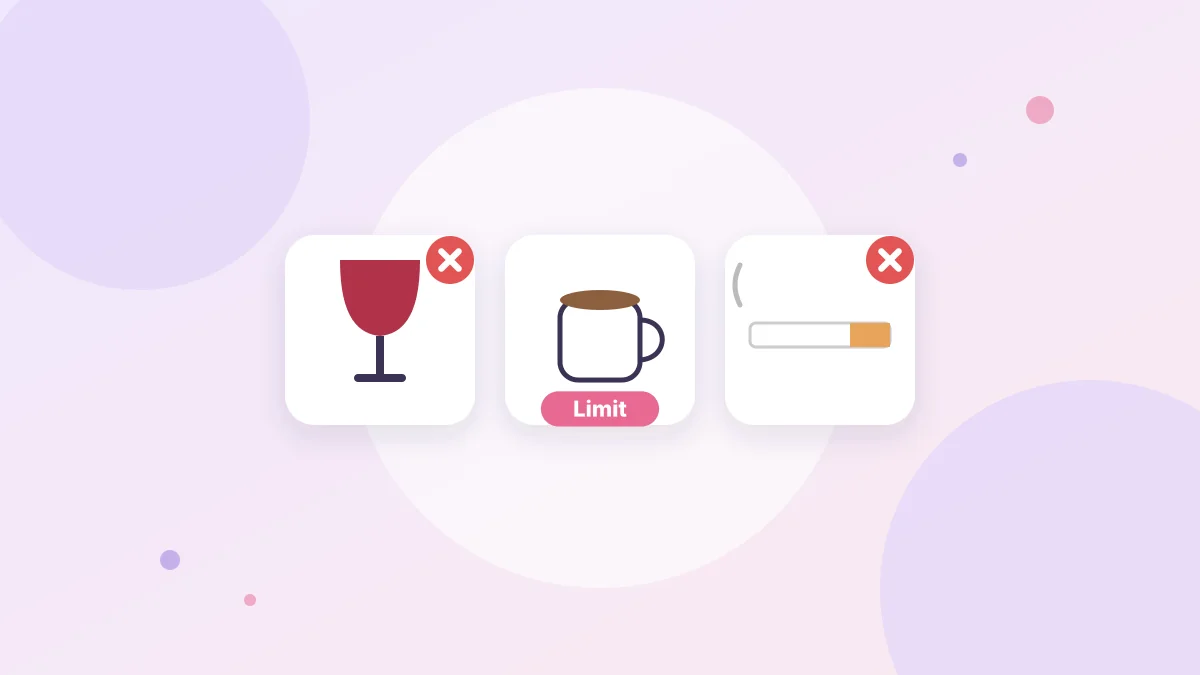
- Avoid alcohol, and keep taking folic acid, in case you are pregnant.
- Plan for either result, with something comforting for yourself and your partner.
Should I rest or avoid exercise?
There is no evidence that bed rest improves the chance of pregnancy. Normal activity, including moderate exercise and sex, is fine, unless your clinic has given specific advice.
What if the test is negative?
A negative test is disappointing, and it is normal to grieve. Your period will usually arrive within a few days. Look after yourself, and talk to your doctor about next steps if you have been trying for some time.
What if the test is positive?
Congratulations. Book an appointment with your midwife or doctor, and continue folic acid. If you had fertility treatment, your clinic will arrange an early scan.
When to seek urgent help
Contact a doctor if you have severe pain, particularly on one side, heavy bleeding, dizziness or fainting at any point, as these could signal a complication.
Frequently asked questions
Can I feel implantation?
Some people notice mild cramps or light spotting, but most feel nothing.
Do symptoms in the two-week wait mean I am pregnant?
Not reliably, because they are mostly caused by progesterone.
How accurate are early tests?
They are less reliable before the day of your missed period, and can give false negatives.
Does stress affect whether I conceive?
Everyday stress does not prevent implantation.
Can I test earlier after IVF?
It is best to follow your clinic's advice, as hormone injections can cause false positives.
Log your symptoms and test dates in Masik to keep track of the wait.
This article is for general information, not medical advice. If you're worried about your health, talk to a doctor or other clinician.