1 min read · Updated
How long should you try?
- Under 35: see a doctor after 12 months of regular, unprotected sex without pregnancy
- 35 to 39: after six months
- 40 and over: as soon as you decide to try, because time matters more
ACOG puts the chance at about 25 to 30 percent per cycle for healthy couples in their 20s and early 30s, and most conceive within a year.
See a doctor sooner if
- Your periods are very irregular or absent
- You have severe period pain, which could be endometriosis
- You have had pelvic infection, tubal surgery or ectopic pregnancy
- You have PCOS or thyroid disease
- You or your partner have had cancer treatment
- Your partner has had testicular problems or low sperm counts
- You have had two or more miscarriages
What happens at the first visit
Your doctor will ask about your cycle, health history, medicines and lifestyle, and will probably examine you and check hormones. Your partner should be assessed too, as around one third of fertility problems involve male factors.
Tests you may be offered
- Ovulation blood tests
- Thyroid and other hormones
- Pelvic ultrasound
- Tubal patency tests
- Semen analysis
How to prepare
- Bring your Masik cycle history and ovulation test results
- Take folic acid
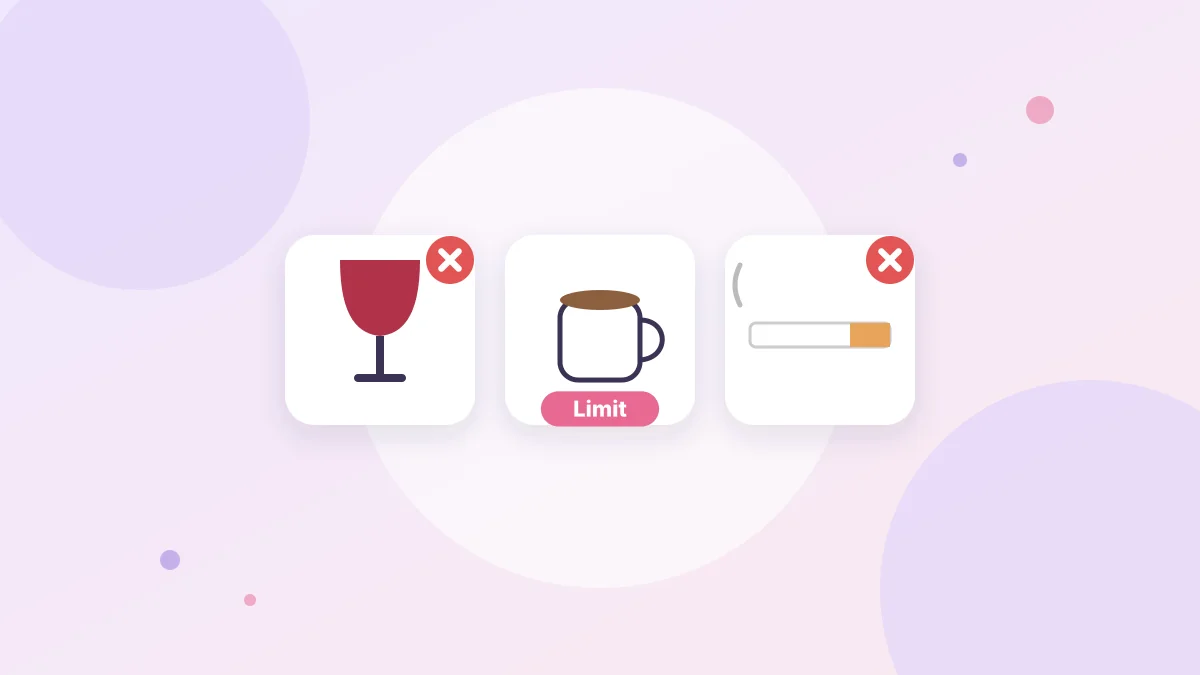
- Stop smoking and cut alcohol
- Write down questions
Frequently asked questions
Does seeing a doctor mean I need IVF?
No. Many people need only advice, medicines to trigger ovulation or treatment of an underlying condition.
Is it my fault?
No. Fertility problems are common and nobody's fault.
This article is for general information, not medical advice. If you're worried about your health, talk to a doctor or other clinician.