4 min read · Updated
Waiting to find out if you are pregnant is hard, and testing too early is one of the most common reasons for confusing results. This guide explains the best time to test, how tests work, how to read the result, and what to do next.
How pregnancy tests work
Home pregnancy tests detect human chorionic gonadotropin (hCG), a hormone made by cells that will form the placenta. hCG enters your blood and urine after the embryo implants in the uterus, roughly 6 to 12 days after ovulation. In early pregnancy, levels roughly double every two to three days, so the longer you wait, the easier it is to detect.
The best time to take a test
The most reliable day is the first day of your missed period. Many tests claim up to 99 percent accuracy on that day under ideal conditions, and real-world accuracy is lower, especially for negative results. If your cycles are irregular and you are unsure when your period is due, wait at least 21 days after unprotected sex.
Can you test before a missed period?
Some sensitive tests claim to detect pregnancy up to five days before your period is due. However, the earlier you test, the greater the chance of a false negative, because hCG may not have reached a detectable level yet.
- Day of missed period: many tests claim up to 99 percent accuracy, though real-world accuracy is lower
- 1 day before: often around 90 percent in sensitive tests
- 4 to 5 days before: much less reliable, and many pregnant people still test negative
How to take a test properly
1. Check the expiry date, and read the instructions.
2. Use first morning urine when possible, as it is the most concentrated.
3. Avoid drinking large amounts of fluid beforehand.
4. Hold the test or dip it exactly as directed.
5. Read the result within the time stated, usually 3 to 5 minutes. Results read much later can be misleading.
Understanding the result
- Positive: Two lines or a plus sign means hCG was detected. A false positive is rare.
- Negative: Hormone was not detected. If your period is still late, retest in three days.
- Faint line: A faint second line usually still means a positive, because it shows hCG is present. Test again in two days, and the line should get darker as hCG rises.
- Invalid: No control line means the test did not work. Repeat with a new test.
Why you might get a false negative
- Testing too early
- Diluted urine
- Reading the result too soon
- A rarer possibility called the hook effect, when hCG levels are extremely high
- Ovulating later than usual, so implantation happened later than you expected
Why you might get a false positive
- A chemical pregnancy, which is an early loss shortly after implantation
- Recent miscarriage or termination, as hCG can linger
- Fertility injections containing hCG
- Some rare medical conditions or medicines
- An evaporation line, where a faint colourless streak appears after the time limit
Blood tests
A blood test at a clinic can detect pregnancy slightly earlier than a urine test and can measure the exact level of hCG. It is also used to monitor early pregnancy when there are concerns.
What to do after a positive test
1. Contact your doctor or midwife to book an appointment, usually between weeks 8 and 12.
2. Start taking 400 micrograms of folic acid daily, until week 12.
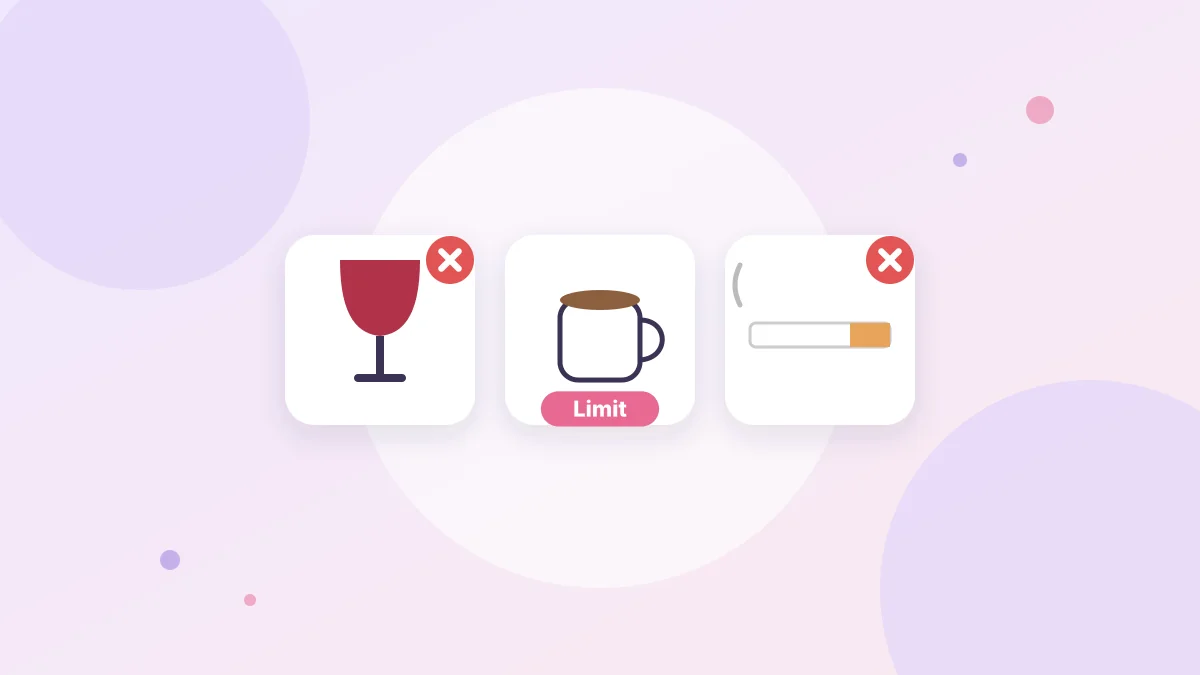
3. Stop alcohol and smoking, and check any medicines.
4. Seek urgent help if you have severe pain, heavy bleeding or dizziness, as these may signal a complication.
What to do after a negative test
If your period arrives, you are not pregnant this cycle. If it is more than a week late, retest, and see a doctor if tests stay negative, since other causes such as stress, thyroid conditions or PCOS may be involved.
Frequently asked questions
Can a pregnancy test be wrong?
Yes, especially if taken too early. Tests taken on or after the day of your missed period are the most accurate.
What is the earliest I can take a test?
Some tests work about five days before your period, but accuracy is much lower than waiting until the day of the missed period.
Does the brand matter?
Most tests detect similar hCG levels, but check the stated sensitivity, and follow the instructions.
How long after unprotected sex should I test?
Wait at least 21 days for the most reliable result, or test at your missed period.
What if the line is very faint?
It is usually positive. Test again in 48 hours to see whether it darkens.
Track your cycle in Masik to know the day your period is due, so you can test at the right time.
This article is for general information, not medical advice. If you're worried about your health, talk to a doctor or other clinician.